Best Suntory and Nikka Bottles to Buy at Every Price Point
Affiliate disclosure: As an Amazon Associate I earn from qualifying purchases. This article contains affiliate links; purchases may earn a commission at no extra cost to you.
Choosing between Suntory and Nikka bottles starts with how you plan to drink or give the whisky. Compare the styles below, then check current local availability and the total price before buying.
Suntory and Nikka Bottles: Where to Start
If you’ve read my Suntory vs. Nikka comparison, you’ve already decided which house style fits your taste — Suntory’s refined, balanced approach or Nikka’s bolder, more structured character. What that article didn’t do is walk through specific bottles at specific price points, which is the actual decision you’re facing standing in front of a shelf. This guide picks up exactly where that one left off.
In my experience, knowing you prefer “Nikka’s style” in the abstract doesn’t help much if you don’t know whether Nikka Days or Nikka From The Barrel is the better fit for tonight. Both houses span a wide range from casual, mixable everyday bottles up to genuinely hard-to-find, expensive expressions — and matching the specific bottle to the occasion matters as much as picking the right house.
Suntory: From Everyday to Special Occasion
Entry Point: Suntory Toki ($35–45)
Built specifically for highballs, blending Yamazaki and Hakushu malt with Chita grain whisky. Light, citrus-forward, and genuinely designed for mixing rather than sipping neat. Covered in more depth in my budget whisky guide.
The Everyday Step-Up: Suntory Kakubin (under $30 where available)
The best-selling whisky in Japan and the default highball pour at izakayas nationwide. Genuinely excellent value, though availability outside Japan varies by retailer — worth grabbing if you find it in stock, whether at home or picked up on a trip.
The Signature Gift Bottle: Hibiki Harmony ($80–110)
The non-age-stated version of Suntory’s flagship blend, built from Yamazaki, Hakushu, and Chita whiskies for balance and harmony rather than a single dominant note. The 36-faceted bottle design alone makes this the most gift-ready bottle in Suntory’s lineup, and it remains the closest widely available substitute for the increasingly scarce aged Hibiki expressions.
Going Further: Yamazaki Distiller’s Reserve ($70–100)
The non-age-stated equivalent of the harder-to-find Yamazaki 12, built from a range of casks including the mizunara (Japanese oak) casks the brand is known for. Fruitier and more approachable than the aged tier, without sacrificing the recognition that comes with the Yamazaki name.
Nikka: From Everyday to Special Occasion
Entry Point: Nikka Days ($25–35)
A lighter, gentler blend and Nikka’s most approachable release — worth noting upfront that it isn’t JSLMA-compliant as “Japanese Whisky,” and Nikka doesn’t market it that way. If flavor and price matter more than strict provenance, it’s a genuinely pleasant everyday bottle.
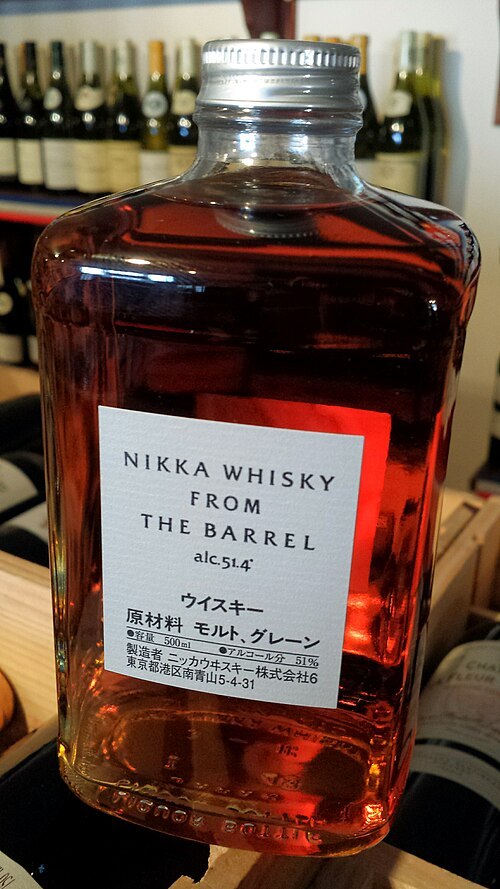
The Bold Middle Tier: Nikka From The Barrel ($50–70)
Cask-strength and bottled at a higher proof than most bottles on this list, this is Nikka’s signature statement of intensity — richer and more robust than Suntory’s softer house style, and a strong pick for someone who already drinks whisky seriously and wants something with real structure.
The Distinctive Choice: Nikka Coffey Grain ($45–60)
Built from continuous still (Coffey still) grain whisky rather than the malt-forward character of most bottles here, delivering a genuinely different, almost bourbon-adjacent flavor profile. Worth trying once you’ve already explored the more common blends and want something distinct.
The Single Malt Tier: Yoichi and Miyagikyo (~$100 each)
Yoichi, Nikka’s original Hokkaido distillery, produces a robust, peaty style using traditional direct coal-fired stills — a labor-intensive method most modern distilleries have abandoned. Miyagikyo, established decades later, explores a softer, more complex direction. Both single malts often deliver better value relative to price than Suntory’s equivalent aged tier, given the ongoing aged-stock shortage affecting the category broadly.
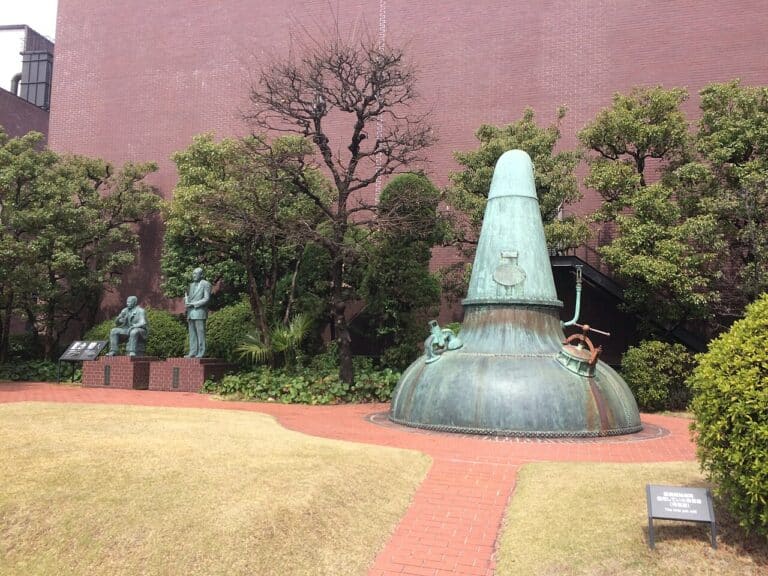
Photo: Kentin / Wikimedia Commons · CC BY-SA 4.0. Resized/compressed; no content edits.
Quick Comparison
| Bottle | House | Price | Best For |
|---|---|---|---|
| Suntory Toki | Suntory | $35–45 | Highballs, first-time buyers |
| Suntory Kakubin | Suntory | Under $30 | Everyday drinking, where stocked |
| Hibiki Harmony | Suntory | $80–110 | Gift-giving, “wow” factor |
| Yamazaki Distiller’s Reserve | Suntory | $70–100 | Recognizable name, easier availability |
| Nikka Days | Nikka | $25–35 | Gentle, everyday sipping |
| Nikka From The Barrel | Nikka | $50–70 | Bold, cask-strength intensity |
| Nikka Coffey Grain | Nikka | $45–60 | Something genuinely different |
| Yoichi / Miyagikyo | Nikka | ~$100 | Single malt, serious value |
Which Bottle Should You Actually Start With?
- First bottle ever, want to mix highballs: Suntory Toki or Nikka Days
- Gift for someone who’ll display the bottle as much as drink it: Hibiki Harmony
- Already like peated Scotch and want intensity: Nikka From The Barrel or Yoichi
- Want the best value-to-quality ratio: Nikka’s single malt tier (Yoichi/Miyagikyo)
- Curious what makes Japanese whisky distinct from Scotch or bourbon: Nikka Coffey Grain
Conclusion
Once you know whether Suntory’s refined balance or Nikka’s bold structure suits your taste, the specific bottle decision comes down to occasion and budget rather than guesswork. Both houses genuinely span the full range from $25 everyday bottles to $100+ single malts, and neither requires chasing a resale market to find something worth drinking — the gap is in knowing which specific release fits the moment.
If you haven’t already, my Suntory vs. Nikka comparison and how to drink Japanese whisky guide cover the rest of what’s worth knowing before you buy.
Featured image: Nikka From the Barrel whisky bottle on a bar counter. Illustrative photograph. Photo: Dominic Lockyer / Wikimedia Commons · CC BY 2.0. Resized/compressed; no content edits.