Japanese Whisky Gift Guide: Choose by Taste and Budget

Affiliate disclosure: As an Amazon Associate I earn from qualifying purchases. This article contains affiliate links; purchases may earn a commission at no extra cost to you.
Choose a Japanese whisky gift around how the recipient drinks, the exact bottle and a delivered-price limit. Toki is a candidate for someone who enjoys highballs; Hibiki Japanese Harmony is a recognizable blend to compare for a presentation-focused gift. A familiar name is not a reason to ignore an inflated price or buy an unwanted style.
This guide uses producer information and gift-selection criteria. It is not a report of a comparative tasting or a guarantee that these bottles are in stock. Availability varies between the US, UK, Canada and Australia; check a retailer that can deliver to the recipient before making plans.
Start with the recipient
| Recipient | Option to investigate | Why it belongs on the shortlist | Before you buy |
|---|---|---|---|
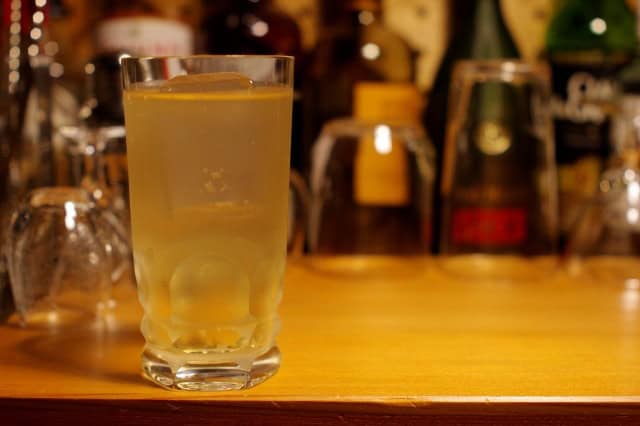
| Enjoys whisky with soda | Suntory Toki | Suntory features it in its highball recipes | Compare the local delivered price and bottle size |
| Likes recognizable blended whisky | Hibiki Japanese Harmony | A named, non-age-statement expression with distinctive presentation | Confirm Japanese Harmony rather than a different Hibiki release |
| Specifically asks for Yamazaki | Yamazaki Distiller’s Reserve, where offered | A separate expression to compare with age-stated Yamazaki | Do not present it as Yamazaki 12 or assume regional availability |
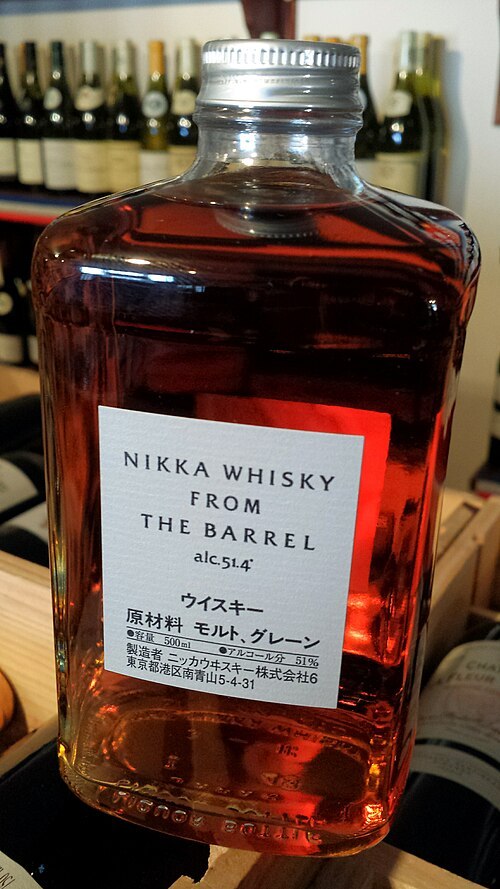
| Prefers a stronger pour | Nikka From The Barrel | The producer specifies 51.4% ABV | Check whether strict Japanese-whisky provenance is part of the gift requirement |
| Already explores smaller producers | A specifically identified Komagatake release | A release-specific choice rather than a generic brand substitution | Verify release year, size, ABV and producer description |
Check the name as carefully as the price
Hibiki Japanese Harmony, Yamazaki 12 and a limited-edition bottle are not interchangeable listings. Copy the full product name when comparing shops. A 500 ml bottle and a 750 ml bottle can also make two prices look closer than they are. A presentation box may or may not be included even when a product photo shows one.
Suntory describes Hibiki’s bottle as having 24 facets. The earlier description on this page of 36 facets was incorrect. The bottle design is a gift consideration, not a tasting result or proof that every recipient will enjoy the blend.
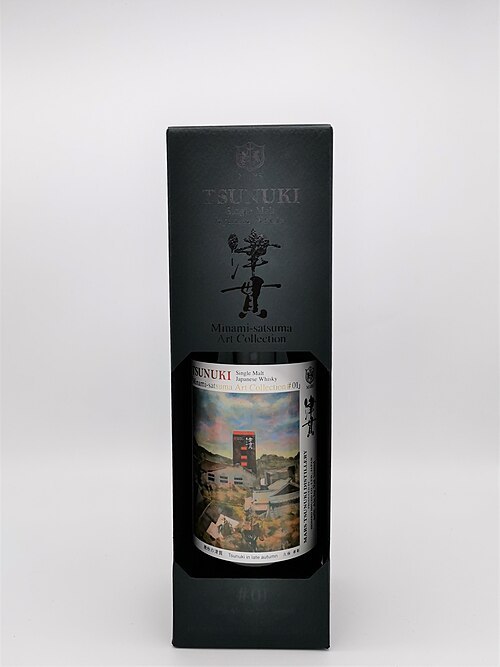
Photo: Keeezawa / Wikimedia Commons · CC BY-SA 4.0. Resized/compressed; no content edits.
Provenance and strength are separate questions
A whisky sold by a Japanese company is not automatically interchangeable with a product meeting the Japanese-whisky labeling standard. The industry standard published by the Japan Spirits & Liqueurs Makers Association sets production requirements; it is not a flavor ranking. Consult the maker’s information for the exact expression rather than judging kanji or packaging.
Nikka’s current From The Barrel page specifies a blend bottled at 51.4% ABV and describes a marrying process. The name should not be treated as proof of a single-cask bottling. If the recipient specifically wants an entirely Japanese-produced whisky, verify that requirement separately with the producer before buying this or another blend.
Set a budget that includes delivery
Instead of assuming a permanent “typical price,” use a ceiling before browsing. Compare two retailers using the same expression, volume, tax treatment and delivery address. If a desired bottle is outside the ceiling, choose another suitable gift; do not turn a casual present into an auction-authentication project.
For US readers working with a $50 bottle budget, the budget Japanese whisky guide explains what to verify. A US dollar ceiling is not an offer in pounds, Canadian dollars or Australian dollars, and it does not establish what is available in those markets.
When an accessory or book is the better gift
If you do not know the recipient’s bottle preferences, a book or suitable glass can avoid guessing at their taste. First find out whether they already own it. A neat-tasting glass and a tall highball glass serve different purposes; an accessory is optional, not required to enjoy whisky.
Add a useful serving note
Include the guide to neat, rocks, mizuwari and highball serves rather than a rule that the recipient must drink the bottle one way. The goal is a gift they will use. For a different Japanese drink tradition, compare our Niigata sake gift guide.