Suntory vs Nikka: Which Japanese Whisky House Fits Your Taste
Affiliate disclosure: As an Amazon Associate I earn from qualifying purchases. This article contains affiliate links; purchases may earn a commission at no extra cost to you.
Two Founders, One Disagreement, Two Completely Different Whiskies
If you’ve read my Japanese whisky gift guide, you’ve already seen both names come up constantly. But Suntory vs Nikka isn’t really a question of which brand is “better” — it’s a question of two genuinely different philosophies that trace back to a disagreement between two men who used to work together, and understanding that disagreement tells you almost everything you need to know about which bottle actually suits your taste.
In my experience, this is the piece most gift guides skip entirely, treating “Japanese whisky” as one homogenous category. It isn’t. Suntory and Nikka have spent a century building deliberately different house styles, and once you understand the split, choosing between them stops being a guessing game.
The Origin Story That Explains Everything
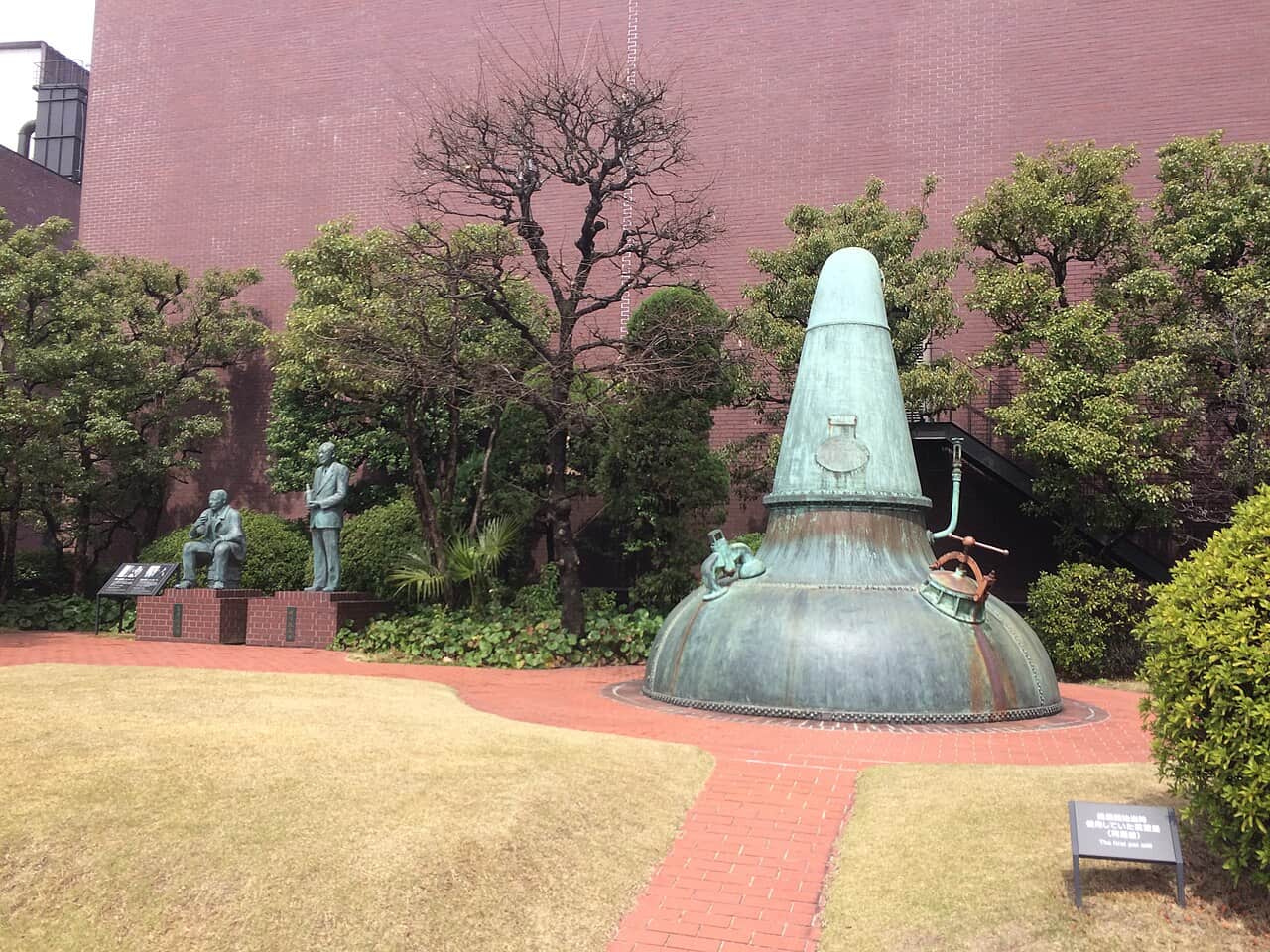
Shinjiro Torii, a wine merchant in Osaka, built Yamazaki in 1923 — Japan’s first malt whisky distillery — with a specific goal: create a whisky suited to the Japanese palate, softer and more approachable than the Scotch it was inspired by. To run the distillery, he hired a young chemist named Masataka Taketsuru, who had spent two years in Scotland studying distilling and wanted something different — he wanted to replicate the robust, smoky character of traditional Scottish single malts.
The two men disagreed on fundamentals. After a decade at Yamazaki, Taketsuru left to build his own company. In 1934, he founded what would become Nikka, choosing Yoichi, Hokkaido specifically because its cool, humid climate reminded him of Scotland.
That philosophical split still defines both houses today: Suntory’s house style emphasizes refinement, layering, and drinkability, while Nikka’s house style favors structure, depth, and intensity.
Suntory: Refinement Built Across Three Distilleries
Suntory operates three distilleries, each playing a distinct role in its whisky:
- Yamazaki (Kansai, 1923) — rich, fruity single malts, aged partly in mizunara (Japanese oak) casks, producing the multi-layered, spicy character the brand is best known for
- Hakushu — a mountain forest distillery producing a crisper, more herbal, lightly smoked profile, a deliberate contrast to Yamazaki
- Chita — the grain distillery responsible for the lighter, blend-friendly whisky used in bottles like Suntory Toki
This is why Suntory’s flagship blend, Hibiki, tastes the way it does: it’s built by combining malt whisky from Yamazaki and Hakushu with grain whisky from Chita, deliberately engineered for balance and harmony rather than any single dominant flavor.
If you already know you enjoy: softer, more approachable whisky, floral and fruity notes, or anything you’d describe as “easy to drink neat” — Suntory is almost certainly your house.
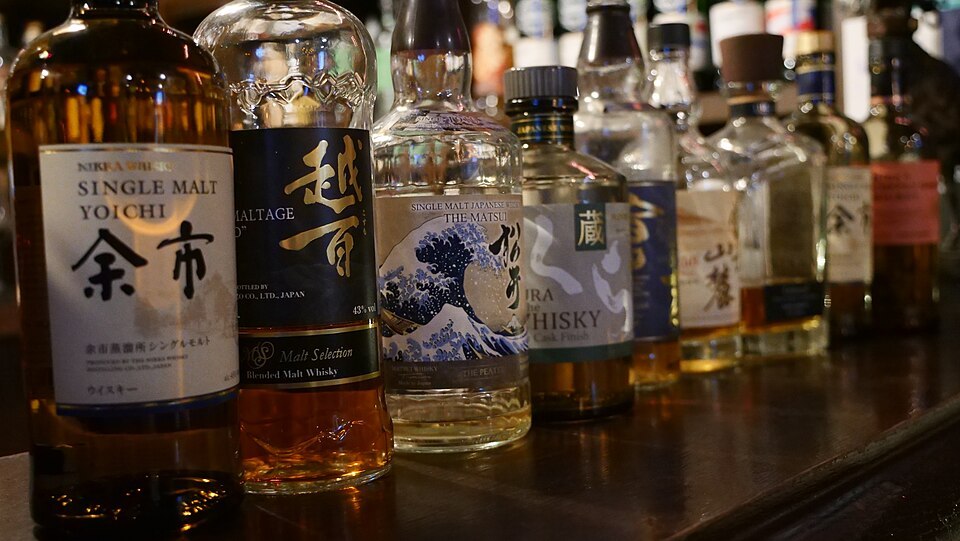
Photo: Culture Japon / Wikimedia Commons · CC BY-SA 4.0. Resized/compressed; no content edits.
Nikka: Structure and Intensity Across Two Distilleries
Nikka’s approach is built around a smaller, more experimental range:
- Yoichi (Hokkaido, 1934) — Taketsuru’s original distillery, producing a robust, peaty, distinctly Scotch-inspired style using direct coal-fired stills, a traditional (and labor-intensive) method most modern distilleries have abandoned
- Miyagikyo (1969) — established decades later to explore softer, more complex blends, broadening Nikka’s range beyond Yoichi’s bold character
Where Suntory built its identity around blending for harmony, Nikka built its identity around bold, sometimes unconventional experimentation — reflected in expressions like Nikka Coffey Grain, made using continuous still (Coffey still) production rather than the malt-forward approach most associated with Japanese whisky.
If you already know you enjoy: peatier, smokier Scotch styles, bolder and more assertive flavor profiles, or you gravitate toward “whisky drinker’s whisky” recommendations — Nikka is likely the better fit.
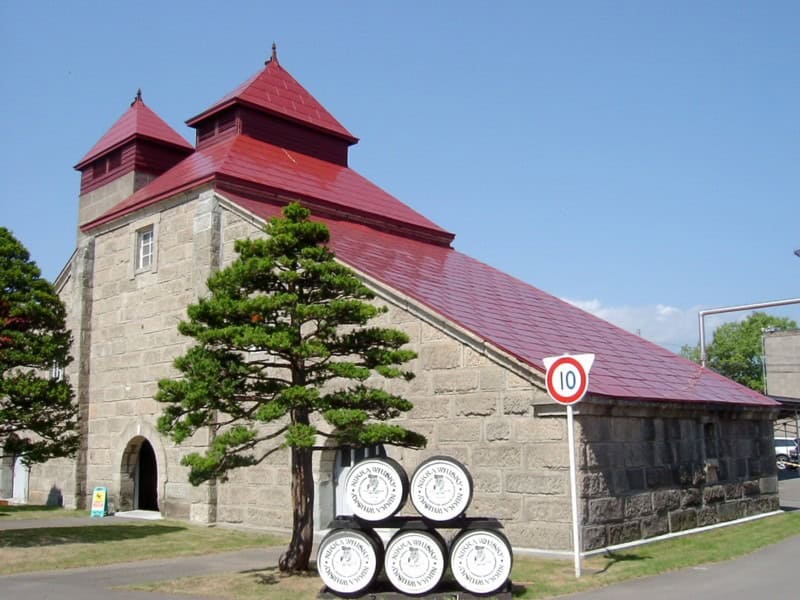
Photo: John Hawkins (Dr-john) · Public domain. Display size adjusted; no cropping.
Quick Comparison
| Suntory | Nikka | |
|---|---|---|
| Founded | 1923 (Yamazaki) | 1934 (Yoichi) |
| Founder | Shinjiro Torii | Masataka Taketsuru |
| House style | Refined, balanced, drinkable | Structured, bold, intense |
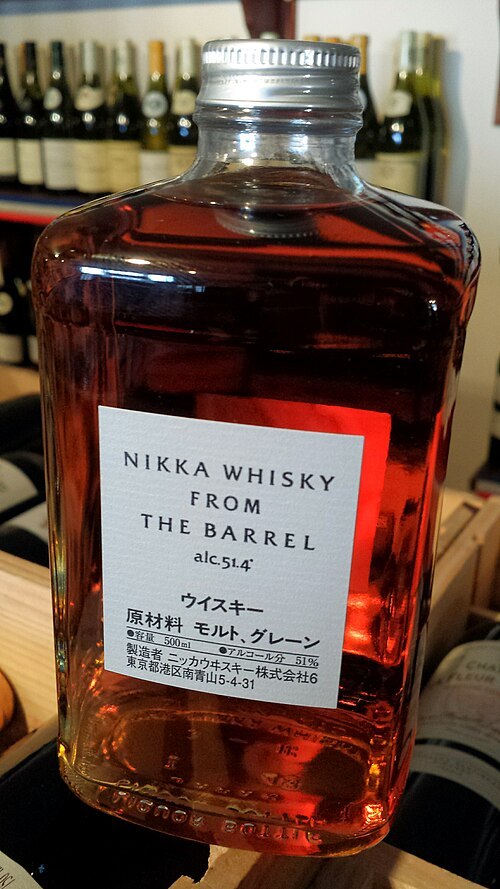
| Flagship blend | Hibiki | Nikka From The Barrel |
| Best entry point | Suntory Toki | Nikka Days |
| Signature trait | Mizunara oak character | Direct coal-fired distillation |
Which Bottle to Actually Start With
If Suntory vs Nikka has you leaning one way but you’re not sure where to start:
- New to Japanese whisky, want something approachable → Suntory Toki (covered in my budget whisky guide)
- Want the brand’s signature “wow” bottle for a gift → Hibiki Harmony (from my gift guide)
- Already enjoy peated Scotch and want something bolder → Nikka From The Barrel
- Want a gentler, easy-drinking Nikka option → Nikka Days
A Note on Price and Value
Nikka’s Yoichi Single Malt and Miyagikyo Single Malt, at around $100 each, often deliver more value relative to Suntory’s equivalent 12-year-old expressions, which frequently run $150 or more given the ongoing aged-stock shortage covered in my whisky gift guide. Both houses have collector-tier expressions that command significantly higher prices, but at the everyday end of the shelf, Nikka’s core range tends to offer a slightly better price-to-character ratio.
Conclusion
There’s no objectively “better” answer to Suntory vs Nikka — both are legitimate pioneers of Japanese whisky, and both make bottles worth buying at nearly every price point. Suntory makes polished, elegant whisky built for harmony and easy drinking; Nikka makes bolder, more characterful whisky that leans into intensity and texture. The right choice genuinely depends on what you already like to drink — if you gravitate toward smoky, structured Scotch, start with Nikka; if you prefer something rounder and more approachable, start with Suntory.
If you’re still narrowing down a specific bottle, my Japanese whisky gift guide and guide to drinking Japanese whisky cover the rest of what’s worth knowing before you buy.