Matcha for Lattes: Pack Size, Milk and Cost per Cup
Affiliate disclosure: As an Amazon Associate I earn from qualifying purchases. Product links below lead to Amazon.com.
Choosing matcha for lattes starts with the milk and recipe you enjoy. A small trial pack and a consistent recipe give you a more useful comparison than a premium label alone.
Begin with a small pack, keep the milk and recipe consistent, and compare cost per serving. This guide provides a buying method, not a blind tasting or a ranking of products we have used.
Two named latte candidates at a common dose
| Exact blend / selected pack | Maker’s stated use | Servings at the same 3 g dose |
|---|---|---|
| Ippodo Ikuyo, 100 g bag | Usucha and matcha lattes | 33 full 3 g servings, with about 1 g remaining |
| Naoki Superior Blend, 40 g pack | Matcha tea and lattes | 13 full 3 g servings, with about 1 g remaining |
Product pages rechecked November 19, 2026: Ippodo Ikuyo 100 g and Naoki Superior Blend. The serving figures are our division of pack weight by an example 3 g dose, not a claim that every drink should use that dose. Ippodo lists 3 g as its latte serving reference. Compare the actual ingredient label; a sweetened drink mix is not interchangeable with pure matcha.
For a personal side-by-side comparison, hold the milk type, milk amount and sweetener constant, and record the measured powder dose. Then divide each actual delivered price by its full-serving count. A 100 g bag is not automatically better value if your drinking routine will not use it promptly.
Choosing matcha for lattes: start with the maker’s advice
Ippodo's latte guide suggests its lighter or medium styles for many lattes and describes richer options for a fuller drink. It also explains that milk choice and proportions change the result. This illustrates why a single premium label cannot determine everyone's best choice.
Read the producer's intended-use notes, then decide what matters to you: a noticeable tea flavour, a gentler drink or the lowest cost for a daily habit. A blend that suits someone drinking it with water may not be your preferred option with milk.
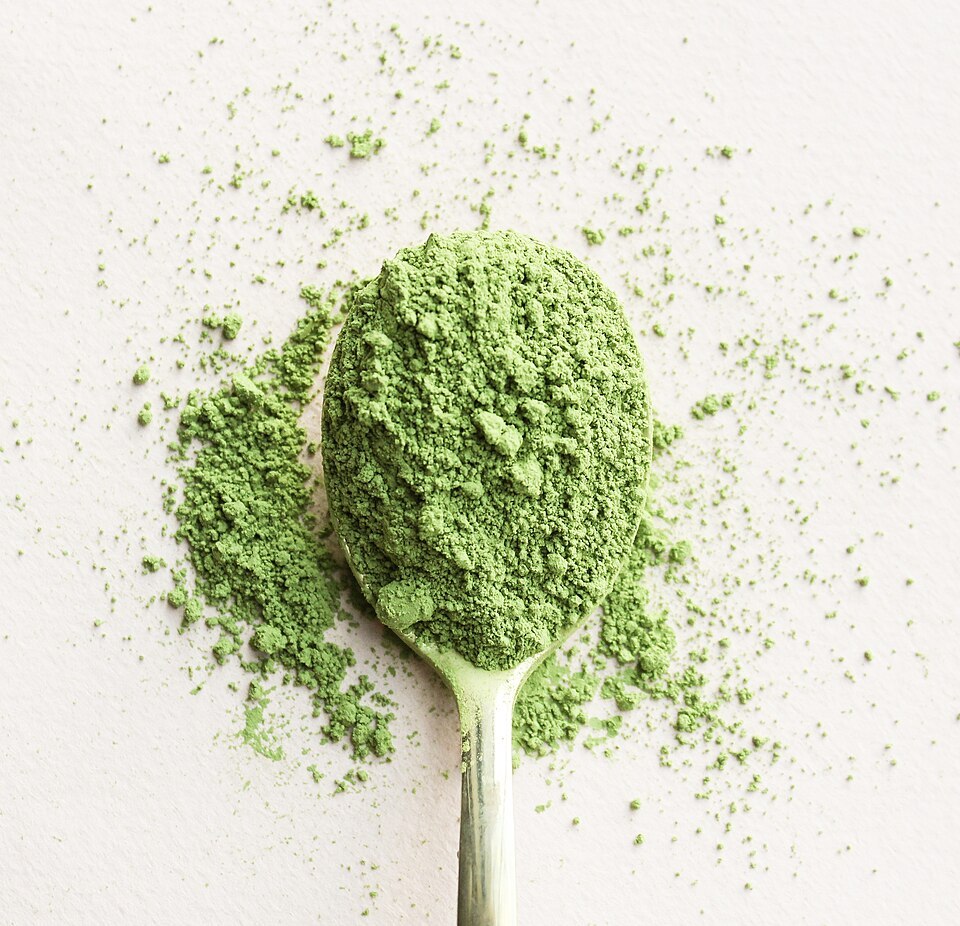
Photo: Evanhoever / Wikimedia Commons · CC BY-SA 4.0. Resized/compressed; no content edits.
Calculate the cost of your actual serving
Divide the pack price by its weight to find the powder cost per gram, then multiply by your chosen dose. These are arithmetic examples, not current offers:
| Example purchase | Powder cost per gram | Powder cost at 3 g per drink |
|---|---|---|
| $18 for 30 g | $0.60 | $1.80 |
| $24 for 40 g | $0.60 | $1.80 |
| $32 for 80 g | $0.40 | $1.20 |
The table covers the powder alone. To compare what you will spend, use one currency and include shipping, tax and any import charges in your total. Add the cost of milk separately. A large pack only saves money if you use it; a smaller trial can prevent a larger unwanted purchase.
Will you finish the pack while it suits your routine?
Price per gram is only half the decision. Estimate how long the opened pack would last at your actual drinking frequency. The following uses the same illustrative 3 g dose as the comparison above; it does not prescribe a daily intake or establish shelf life.
| Pack weight | Full 3 g drinks | At one drink per day | At three drinks per week |
|---|---|---|---|
| 40 g | 13, with 1 g left | 13 drinking days | About 4.3 weeks |
| 100 g | 33, with 1 g left | 33 drinking days | 11 weeks |
Ippodo’s Ikuyo product page advises consuming the tea within around one month after opening for the best experience. At three drinks per week, a 100 g bag would last much longer than that guidance. This makes a smaller pack worth comparing even when its unit price is higher. Follow the actual producer’s advice for each tea; do not apply Ippodo’s timescale to every brand.
Write down your pack weight, measured dose, drinks per week and opening date before reordering. After opening, close the pack carefully and follow the producer’s storage instructions. Our matcha storage and pack-size guide explains how to keep the original packaging and distinguish consumption estimates from freshness guidance. Keep the broader matcha product comparison for choosing between teas for water, milk or gifts.
Make your comparison fair
Prepare two candidates with the same measured powder dose, water quantity and milk. Use the same milk brand and sweetness level. Record what you notice immediately after preparation rather than relying on memory several days later.
For the next round, change just one variable. If a drink tastes too milky, compare another milk quantity before deciding that the powder itself is unsuitable. This does not establish an objective winner, but it makes your personal buying decision more repeatable.
You can record four simple observations: strength of tea flavour, balance with milk, texture and whether you would choose that cup again. Avoid borrowing tasting notes from the seller as if they were your own experience.
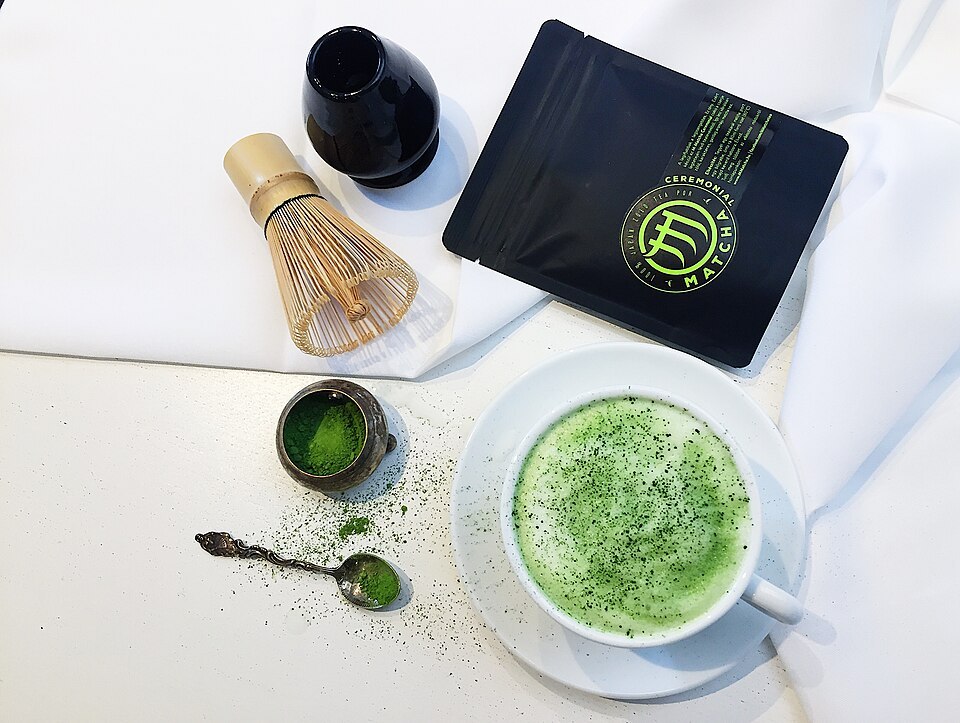
Photo: SzokeAdrienn / Wikimedia Commons · CC BY-SA 4.0. Resized/compressed; no content edits.
Check the ingredient list and the seller
Confirm whether you are buying pure matcha or a sweetened drink mix. If you have a food allergy, check the ingredient and allergen labels on both the powder or mix and the milk you plan to use. Check pack weight, origin information, storage instructions and the seller's delivery terms. Do not judge freshness from a saturated green product photograph.
For buyers outside Japan, a local retailer may be convenient for a small trial; a direct order may make sense for a later repeat purchase. Compare the final delivered cost rather than assuming one route is cheaper.
What to buy first
Start with one small pack recommended for your intended preparation and a way to measure a consistent dose. Add more varieties only after you know what you want to change. Our matcha buying guide explains broader label and seller checks, while our preparation guide covers the tools and technique.
Frequently asked questions
Do I need the most expensive matcha for a latte?
Price alone cannot tell you whether a tea will suit your milk and preferred strength. Start with a small pack the producer recommends for lattes. Compare drinks using the same dose, milk and sweetness before paying for a larger pack or a more expensive blend.
How many drinks will a pack make?
Divide pack weight by your measured dose. At an example dose of 3 g, a 30 g tin makes about ten drinks. This is a budgeting calculation, not a universal recipe. Include milk and delivery when comparing what the daily drink will actually cost.
Editorial approach: This guide uses the manufacturer or operator sources linked above. It is not a hands-on review. Confirm the current instructions for the exact product before purchasing.
Featured image: Photo: Csuding / Wikimedia Commons, CC BY-SA 4.0. Proportional resizing/compression only; no content edits. Illustrative photograph; not the linked product.