Matcha vs Coffee: Caffeine, Preparation and Cost
Affiliate disclosure: As an Amazon Associate I earn from qualifying purchases. This article contains affiliate links; purchases may earn a commission at no extra cost to you.
Matcha vs coffee is best compared by the serving you actually drink, its caffeine information, flavor, preparation and cost. Matcha is not automatically a low-caffeine alternative, and changing from coffee to matcha does not guarantee fewer jitters or a longer period of focus.
This guide compares everyday choices, not medical outcomes. It does not claim that one drink has been tested by WabiFinds to improve energy, digestion or health.
Caffeine: compare portions, not just cup sizes
The FDA’s caffeine guide lists regular brewed, non-specialty coffee at roughly 113–247 mg per 12 US fluid ounces, while emphasizing that products and serving sizes vary. Its green-tea figure is not a matcha-specific measurement and should not be used as one.
For matcha, look for information for the exact powder and the number of grams used. A café latte can contain more powder than a small bowl. Milk, ice or extra water changes volume but does not remove the caffeine already in the powder. Without product-specific information, a precise milligram comparison would be misleading.
| Question | Coffee | Matcha |
|---|---|---|
| What controls the portion? | Coffee recipe, brew method and cup size; espresso shot count matters | Powder weight; the size of the milk glass is not the dose |
| Can it cause caffeine-related symptoms? | Yes; individual response varies | Yes; it is still a caffeinated tea |
| What does preparation involve? | Varies from instant coffee to a brewed or espresso workflow | Measure and disperse powder; a bowl and whisk are one method |
| What should the cost comparison include? | Beans or coffee, filters where used, milk and equipment | Powder, milk where used and any tools you need |
| Is a smoother energy curve guaranteed? | No fixed response can be assumed | No fixed response can be assumed |
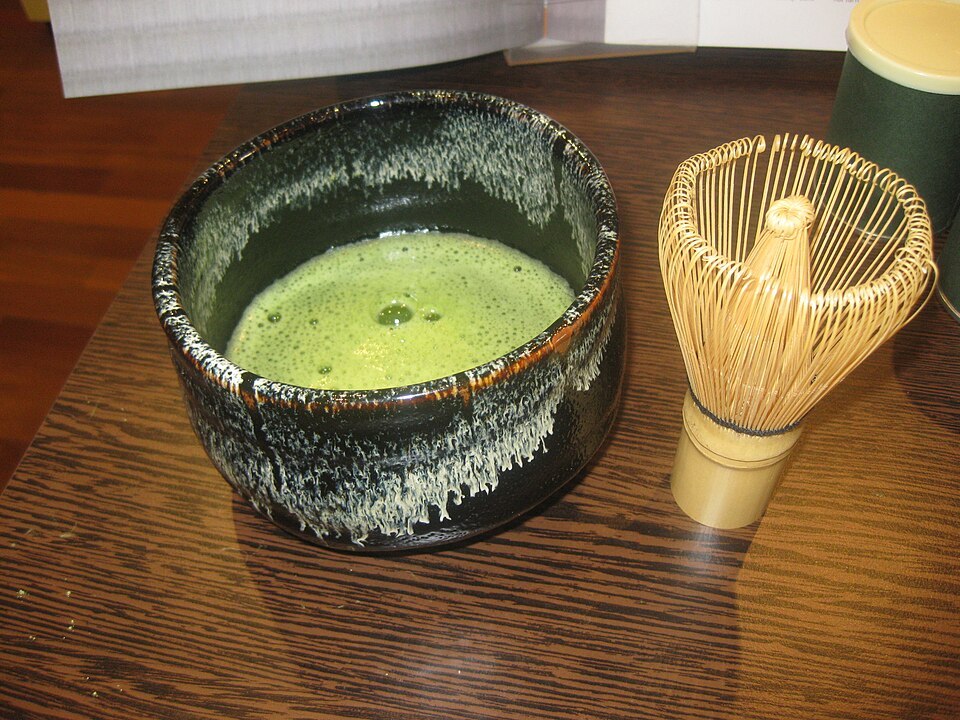
Photo: Kefisrael / Wikimedia Commons · CC BY-SA 3.0. Resized/compressed; no content edits.
Do not buy matcha for a promised “no crash” effect
Claims that coffee necessarily crashes after two hours while matcha lasts six hours are too precise for a general buying guide. A person’s response cannot be predicted from the drink name. This article therefore does not assign either beverage a fixed energy curve or recommend one as a treatment for fatigue.
Likewise, L-theanine content is not a guarantee that matcha will prevent the unwanted effects of caffeine. Flavor preferences and a satisfying preparation routine are valid reasons to choose tea without attaching a medical promise to the purchase. Matcha should not be described as universally alkaline or gentler on every stomach.
An example of a fair cost comparison
Imagine a 30 g matcha tin costing $24 delivered. At 2 g per bowl that is 15 portions, or $1.60 each. A hypothetical 250 g coffee bag costing $15 gives about 16 complete 15 g portions, with some beans left over. At that recipe, the coffee used per portion costs $0.90. These are example inputs, not current prices or caffeine-equivalent servings.
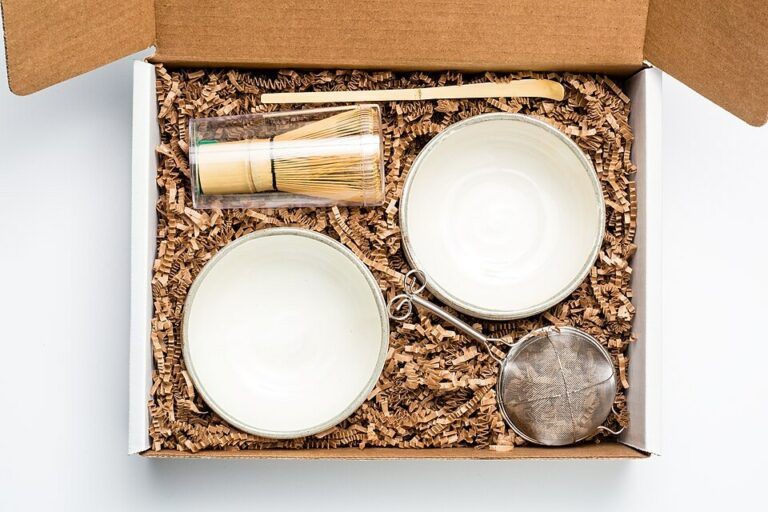
Use your own recipe and shopping costs. If you add milk and sweetener to one drink, include them on that side of the comparison. Keep tools separate from consumables so an existing coffee maker does not appear free while a new whisk distorts the ongoing cost of matcha.
If your goal is to reduce caffeine
First record your normal drink sizes and powder or shot amounts. Check manufacturer or café caffeine information when it is available, and count other sources during the day. A switch that doubles the matcha portion may not achieve the reduction you intended.
The FDA notes that cutting back gradually can make withdrawal less unpleasant. Its commonly cited 400 mg daily figure concerns most adults and is not a target or a personalized safe limit. If you are pregnant, breastfeeding, taking medication or experiencing symptoms, discuss your intake with a qualified healthcare professional.
Choose for taste and routine
Keep coffee if you enjoy its flavor and preparation; try a small pack of matcha if you want a different drink. You do not need a full tea set to decide whether you like it. Use our how to make matcha guide for a measured starting recipe and the matcha brand comparison to choose a blend for plain tea or a latte.