Types of Japanese Tea: Sencha vs Matcha vs Gyokuro vs Hojicha vs Genmaicha
Affiliate disclosure: As an Amazon Associate I earn from qualifying purchases. This article contains affiliate links; purchases may earn a commission at no extra cost to you.
Choose sencha for a steeped green tea, matcha for whisked powder, gyokuro for a concentrated shaded-leaf preparation, hojicha for a roasted flavor, or genmaicha for tea blended with roasted rice. These types of Japanese tea differ in processing and preparation; they do not form a simple strongest-to-weakest caffeine ranking.
Five teas compared
| Tea | Form and character | Preparation to check |
|---|---|---|
| Sencha | Steeped leaves; often green and fresh-tasting | Leaf weight, water temperature and steep time for the product |
| Matcha | Powder whisked into water or a latte | Powder weight and water amount |
| Gyokuro | Shaded leaves; often chosen for an umami-focused cup | The producer’s cooler-water, concentrated recipe |
| Hojicha | Roasted tea; toasted flavor | The product’s hot-water recipe and steep time |
| Genmaicha | Tea with roasted rice; toasted and green-tea flavors | Blend ingredients, including any added matcha |
Sencha: start with the packet recipe
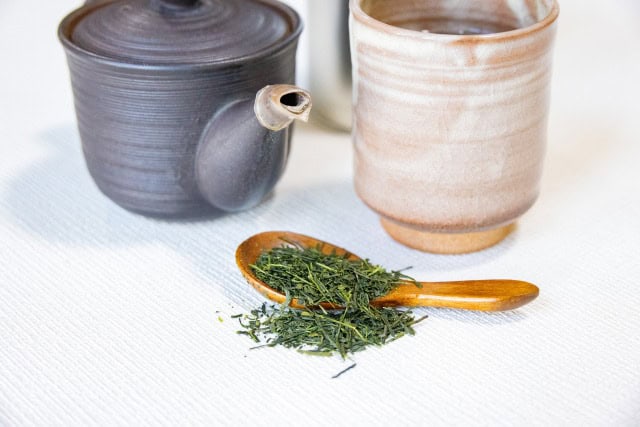
Sencha is a useful first loose-leaf comparison because you can change leaf quantity, temperature and time separately. If a cup is stronger or more bitter than you want, alter one variable on the next brew. Do not assume every sencha needs exactly the same recipe, or that hotter water always ruins green tea.
Matcha: you drink the dispersed powder
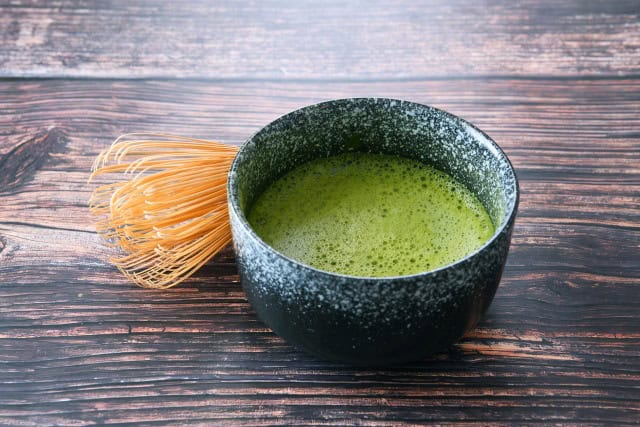
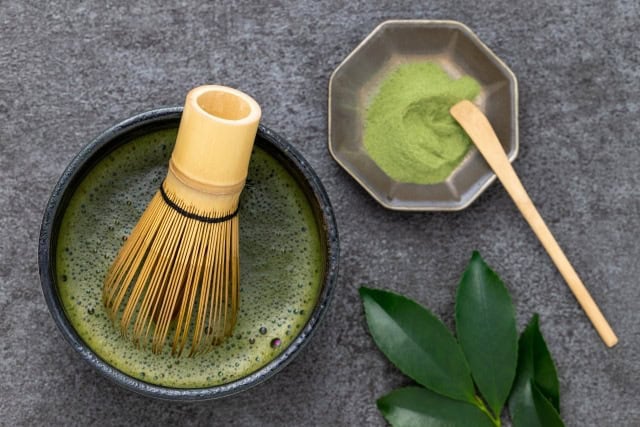
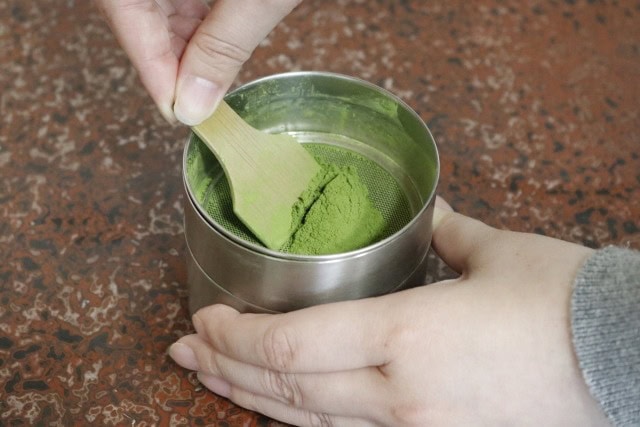
Matcha is prepared differently from leaves removed after steeping. Choose it if you want a whisked drink or a latte and are willing to measure the powder. Our matcha preparation guide begins with a 2 g bowl. More powder changes the serving, so a large latte is not directly comparable with a small brewed tea.
Gyokuro: compare the brewing instructions first
Gyokuro is often chosen for a savory, umami-focused preparation. Follow the maker’s recommended leaf-to-water ratio and temperature before deciding whether the style suits you. A concentrated small cup and a large mug are different recipes; neither the name nor the color tells you their caffeine content.
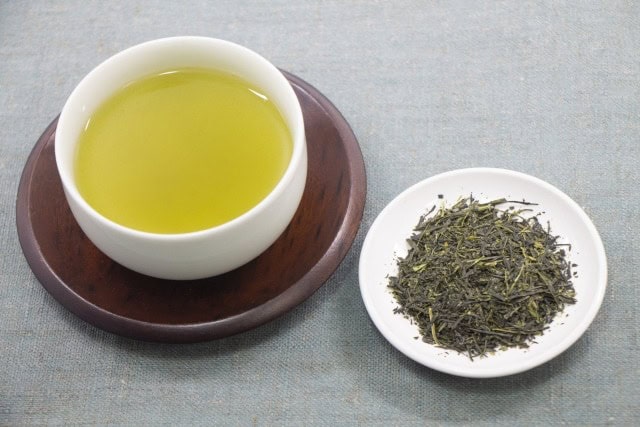
Hojicha: roasted flavor, not a caffeine-free promise
Roasting gives hojicha a different flavor direction from a grassy green tea. It can be worth trying if toasted aromas appeal to you. Do not describe all hojicha as suitable for every caffeine-sensitive person or assume roasting eliminates caffeine. Leaf material, portion and brewing all matter.
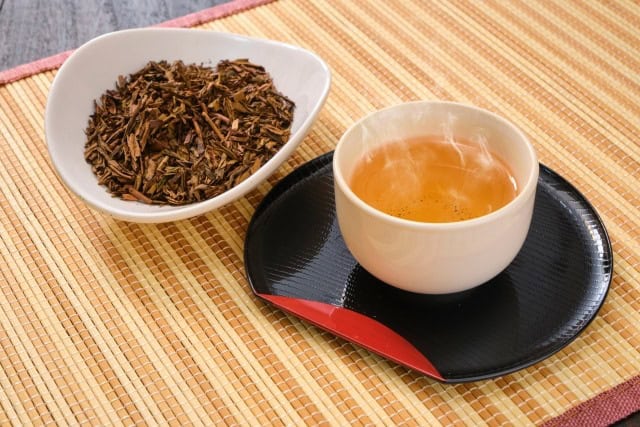
Genmaicha: inspect the whole blend
Genmaicha combines tea and roasted rice, but the proportions and tea base vary. Some blends contain matcha too. Read the ingredients if you are comparing two bags that look similar. A toasted flavor does not make this equivalent to hojicha: roasted rice and roasted tea are different components.
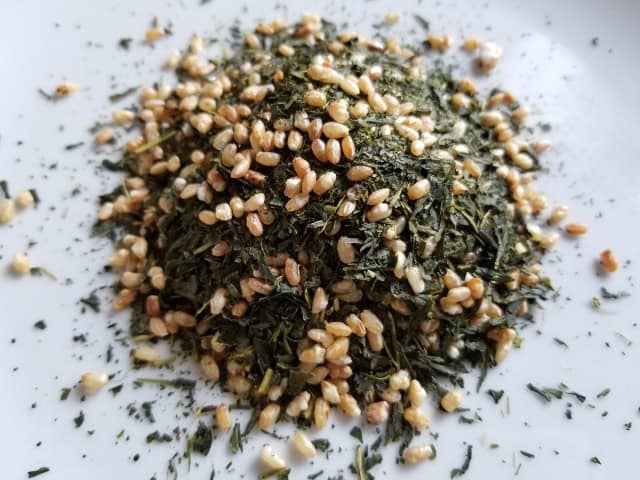
Make a useful first tasting
- Buy small quantities of two contrasting styles instead of five large bags.
- Use the producer’s initial recipe for each; forcing all teas into one temperature and steep time is not a fair comparison.
- Record the leaf weight, water amount and what you liked about the flavor.
- Change only one preparation variable at a time.
- Choose the tea you enjoy rather than treating a higher price or stronger cup as an improvement.
Ippodo’s tea-for-sharing guide provides an example of adapting preparation to a shared pot. Follow the instructions for your actual tea; this article does not claim that one recipe or caffeine figure covers every product.
Where to go next
For powdered tea, compare matcha brands by intended use. For a gift, decide whether the recipient needs tea or equipment with the gift-set guide. If caffeine is your main concern, read matcha vs coffee before assuming a change of tea name guarantees a lower dose.