Best Matcha Sweets to Try (and Which Ones You Can Actually Make at Home)
Affiliate disclosure: As an Amazon Associate I earn from qualifying purchases. This article contains affiliate links; purchases may earn a commission at no extra cost to you.
For an easy first matcha dessert, compare cookies or a layered parfait; for a Japanese-style sweet, look at dorayaki or warabi mochi. This guide explains the choices and ingredients to check. It is not a set of tested recipes, and difficulty depends on the specific recipe you follow.
Matcha Isn’t Just a Drink
If you’ve read my types of Japanese tea guide, you know matcha is genuinely different from steeped teas in how it’s consumed — the whole leaf, not just an infusion. That same intensity is exactly why matcha works so well folded into desserts: a small amount carries enough color, bitterness, and aroma to define an entire sweet without needing much of it. The best matcha sweets lean into that intensity rather than trying to mask it, which is part of why traditional Japanese confectionery (wagashi) pairs matcha with fairly plain, gently sweet bases rather than heavily sugared ones.
Traditional Wagashi-Style Matcha Sweets
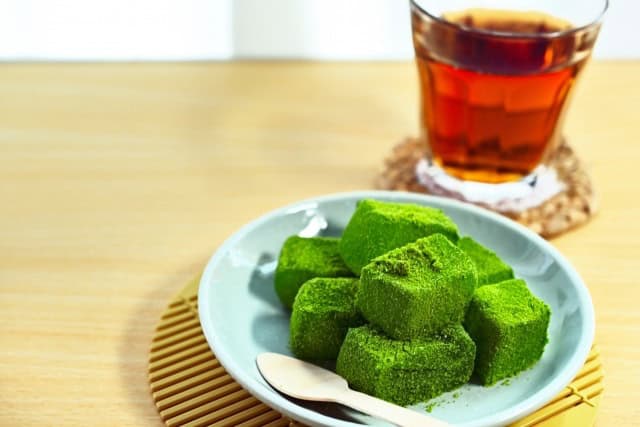
Matcha Warabi Mochi
A jiggly, translucent sweet traditionally associated with bracken starch; commercial versions may use other starches. It is dusted in matcha powder or kinako (roasted soybean flour). Especially popular in summer for its cool, refreshing texture. This is one of the more approachable traditional sweets for someone new to wagashi, since the texture is closer to a soft gelatin than anything unfamiliar.
Photo: MichaellaaRubio / Wikimedia Commons · CC BY 4.0. Resized/compressed; no content edits.
Where it fits: A gentle way to enjoy matcha’s aroma without the intensity of drinking it straight — with sweetness depending on the recipe and topping, which makes it a good match for a proper bowl of matcha alongside it.
Matcha Dorayaki
Two small, honey-flavored pancakes (closer to a thin castella sponge than a Western pancake) sandwiched around sweet red bean paste, sometimes with matcha worked into the pancake batter itself or paired with matcha-flavored cream instead of standard anko.
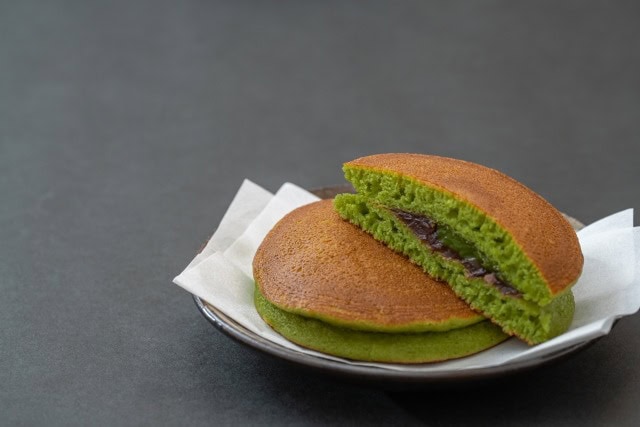
Where it fits: One of the most universally approachable Japanese sweets — genuinely easy to make at home with basic ingredients (flour, egg, honey, red bean paste), and a good starting point if you’ve never made Japanese confectionery before.
Matcha Zenzai
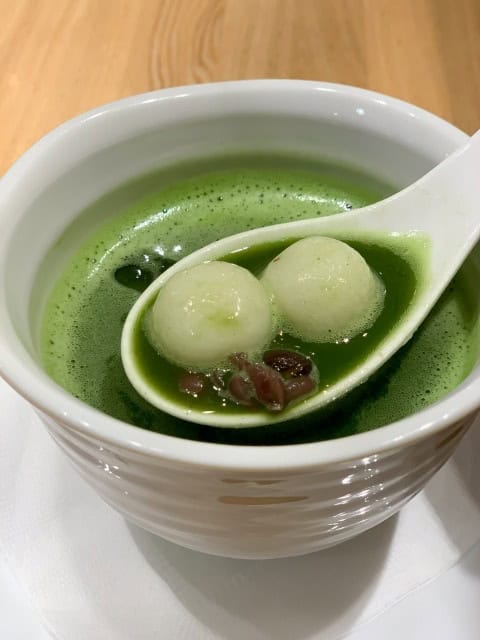
A warm, sweet red bean soup traditionally served in colder months, sometimes finished with a matcha element folded in or served alongside a bowl of matcha itself. A genuinely comforting, low-effort way to experience matcha paired with anko (sweet red bean) rather than as a standalone drink.
Modern, Western-Influenced Matcha Sweets
Matcha Soft Serve / Ice Cream
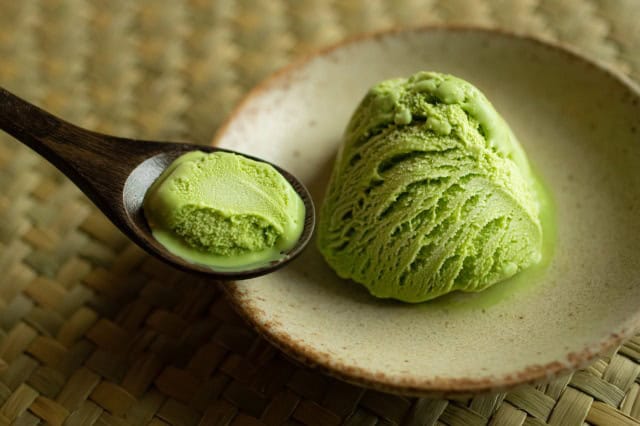
Probably the most internationally recognized matcha dessert at this point, and a genuinely good showcase for culinary-grade matcha specifically — the sugar and dairy in ice cream are exactly the kind of pairing that culinary grade matcha (rather than ceremonial) is built to stand up to, as covered in my matcha buying guide.
Matcha Roll Cake / Chiffon Cake
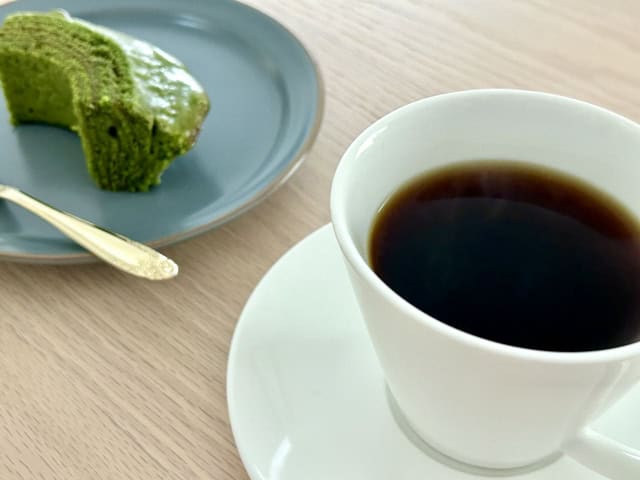
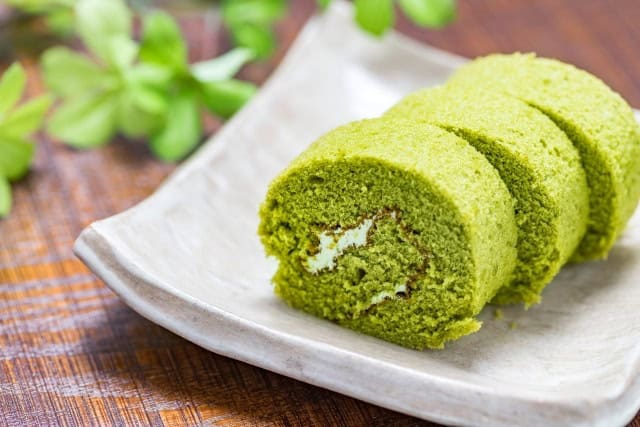
A light, airy sponge cake with matcha worked into the batter, often rolled around whipped cream or red bean paste. More involved to make at home than dorayaki, but a good next step once you’re comfortable with basic baking.
One of the easiest entry points if you want to bake something yourself — matcha folds into a standard cookie dough recipe with minimal adjustment, and the bitterness balances well against a fairly sweet base. A good “first matcha baking project” for someone who’s never cooked with matcha before.
Matcha Latte-Based Desserts (Pudding, Parfait)
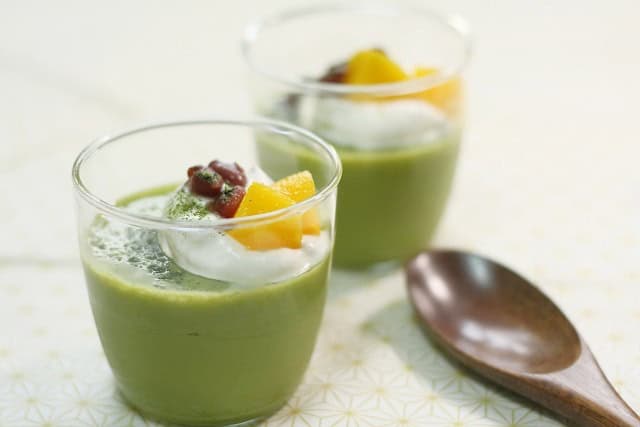
Matcha pudding and parfait layer matcha-flavored custard or cream with mochi, red bean, or fruit — closer to a composed dessert than a single bite, and genuinely popular at Japanese cafés specifically because the presentation does a lot of the work.
Which Matcha Grade to Use for Baking
As covered in more depth in my matcha buying guide, culinary grade is the right choice for nearly everything on this list — baking, ice cream, and most cream-based desserts benefit from culinary grade’s bolder flavor, which holds up against sugar and dairy rather than being wasted the way a delicate ceremonial-grade tin would be. For baking, compare the maker’s stated use and cost; grade names are not a shared standard across brands.
Where to Actually Try These (If You’re in Japan)
Uji in Kyoto is the best-known destination for matcha sweets specifically, followed by Asakusa and Omotesando in Tokyo, Nishio in Aichi, and Shizuoka. Seasonal timing matters too — matcha shaved ice (kakigori) and soft serve are more common in summer, while matcha zenzai shows up more in colder months.
Quick Comparison
| Sweet | Difficulty to Make at Home | Best Grade | Texture |
|---|---|---|---|
| Warabi Mochi | Moderate; check the recipe’s starch | Matcha suited to the recipe | Jiggly, cool |
| Dorayaki | Easy | Culinary | Soft, pancake-like |
| Zenzai | Easy | Culinary | Warm, soupy |
| Ice Cream | Varies; churned and no-churn recipes exist | Culinary | Creamy, cold |
| Cookies | Easy | Culinary | Crisp |
| Roll Cake | Harder | Culinary | Light, airy |
Conclusion
The best matcha sweets succeed by working with the tea’s natural bitterness rather than burying it under sugar — traditional wagashi like dorayaki and warabi mochi keep the sweetness gentle specifically so the matcha still comes through, while modern desserts like ice cream and cookies lean on culinary-grade matcha’s bolder flavor to stand up to dairy and sugar. If you’re baking at home, start with dorayaki or cookies — both are genuinely approachable first projects that don’t require specialty equipment.
If you haven’t picked a tin yet, my matcha buying guide covers which grade and brand to reach for, depending on whether you’re drinking it straight or baking with it.
Choose a dessert by the constraints of your kitchen
| Your constraint | A practical choice | Check before starting |
|---|---|---|
| No oven | A parfait assembled from prepared components | Storage instructions and whether components contain dairy or egg |
| A familiar baking method | Matcha cookies using a tested recipe | Pure matcha versus a sweetened drink mix |
| A Japanese-style texture | Warabi mochi | The actual starch called for; substitutions change texture |
| A gift that must travel | Packaged cookies or another shelf-stable sweet | Allergens, best-before date and storage requirements |
Use a recipe written for matcha instead of adding arbitrary spoonfuls to an unrelated batter. Aiya’s recipe brochure gives examples of using culinary matcha. Producer recipes are starting references, not WabiFinds-tested results. For drinking the remaining tea, use the measured matcha preparation guide.