How to Drink Japanese Whisky: Neat, Rocks, Highball, or Mizuwari
Affiliate disclosure: As an Amazon Associate I earn from qualifying purchases. This article contains affiliate links; purchases may earn a commission at no extra cost to you.
To start, choose neat for an undiluted small pour, rocks for chilling and gradual dilution, mizuwari for still water, or a highball for soda water. No method is mandatory. Match the serving to your taste and measure the whisky before adding the mixer.
The Gift Is Great. Now What Do You Actually Do With It?
So you followed my Japanese whisky gift guide and ended up with a bottle of Hibiki Harmony or Suntory Toki, and now it’s sitting on the counter. Knowing how to drink Japanese whisky properly isn’t really about following strict rules — it’s about understanding that the Japanese approach to whisky genuinely differs from how most Western drinkers were taught, and that difference is worth knowing before you just pour it over ice out of habit.
The Four Main Ways to Drink Japanese Whisky
Neat
Pouring the whisky straight, at room temperature, with nothing added. This is the method that shows off a whisky’s full character — every note of the distillation and cask aging is on full display, unmasked by ice or water.
Best for: Higher-end, more complex expressions where the aroma and finish are the point — Yamazaki Distiller’s Reserve or anything from the aged, harder-to-find tier. Pair with nuts, dried fruit, or dessert to complement the aromatic layers rather than compete with them.
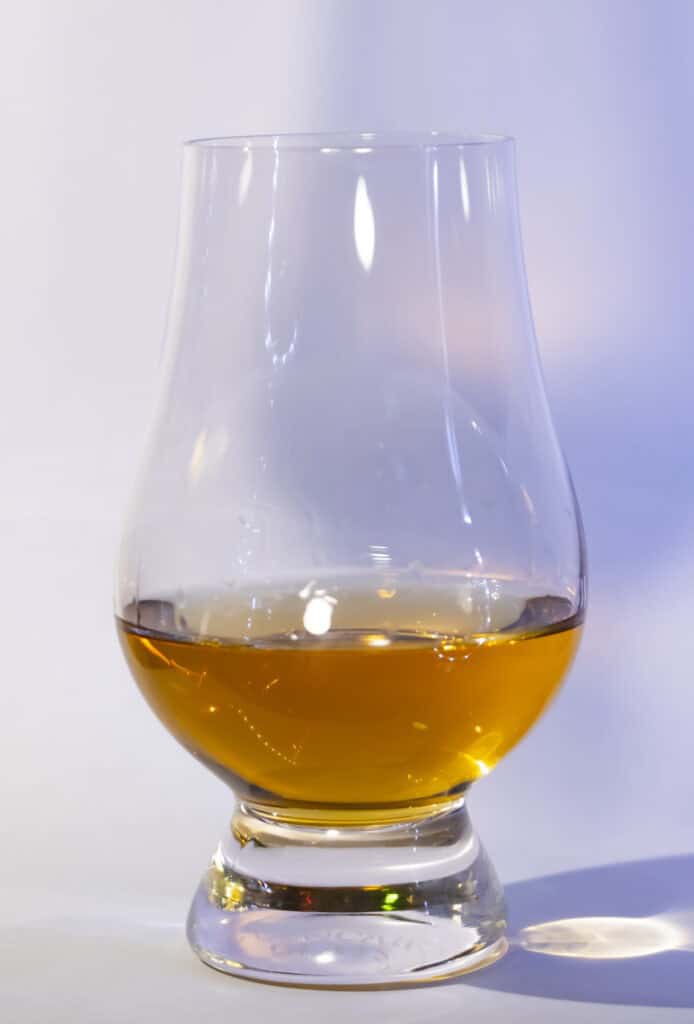
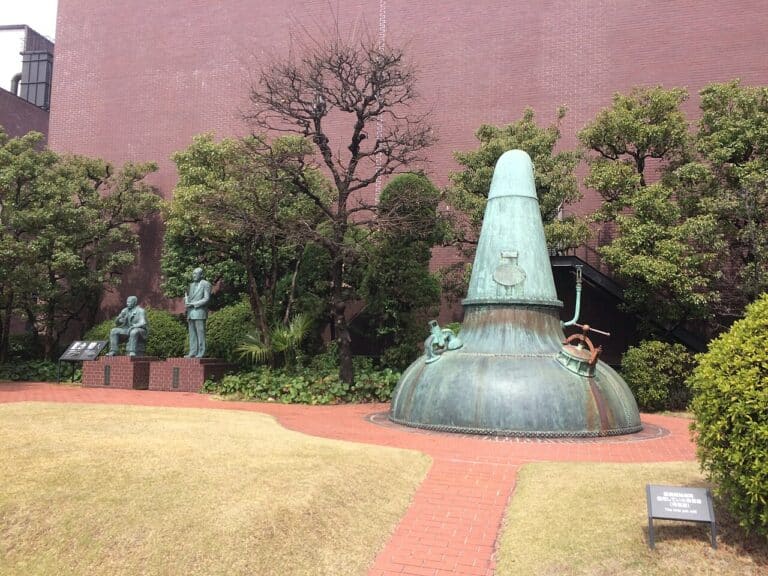
Photo: BrowneN95 · CC BY-SA 4.0. Display size adjusted; no cropping.
On the Rocks
Whisky poured over ice, which chills and slightly dilutes it as the ice melts, softening sharper edges and mellowing the alcohol burn.
Best for: Robust, higher-proof expressions like Nikka From The Barrel, where a little dilution actually opens up the flavor rather than masking it.
Mizuwari
Mizuwari (水割り) is whisky diluted with still water, often served over ice. Choose the amount of water to suit the bottle and your taste; it does not require a particular stirring ritual.
The practical difference from a highball is the mixer: still water for mizuwari, soda water for a highball.
Best for: Lighter, blended whiskies like Suntory Toki or Nikka Days, and specifically for pairing with meals — sushi, grilled dishes, or fried food, where a full-strength pour would compete with delicate flavors.
Highball
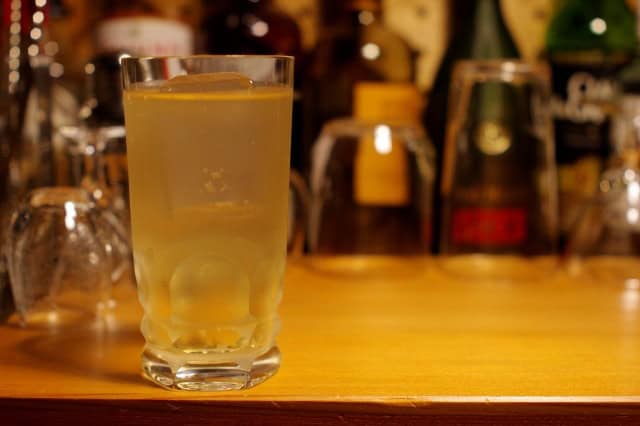
A widely associated Japanese whisky serve: whisky, ice, and soda water in a tall glass, sometimes with a twist of lemon. It’s essentially a carbonated, more refreshing take on mizuwari, with proportions adjusted to the bottle and the drinker’s taste.
A highball should combine whisky and soda with minimal stirring so it retains carbonation. Ice melt changes dilution over time; the drink does not follow a fixed sequence from neat whisky to mizuwari.
Best for: A refreshing, longer drink with food, particularly when using a blend selected for a highball.
Quick Guide: Matching the Serve to the Bottle
| Serve | Best Whisky Style | Occasion |
|---|---|---|
| Neat | Complex, aged, high-proof expressions | Slow sipping, solo enjoyment, dessert pairing |
| On the Rocks | Robust or higher-ABV whiskies | Casual sipping, slightly warm weather |
| Mizuwari | Lighter blends | Pairing with a meal, longer drinking sessions |
| Highball | Light, mixable blends | Casual, social, warm-weather drinking |
How to Actually Make a Proper Highball
Since this is the serve most associated with Japanese whisky culture, it’s worth getting right.
- Fill a tall glass with large ice cubes
- Pour in whisky (roughly one part whisky to three or four parts soda, depending on strength preference)
- Add well-chilled soda water — the temperature difference matters more than people expect
- Stir gently, just once or twice, to avoid losing carbonation
- Optional: a twist of lemon peel
The details that separate a good highball from an average one are almost entirely about temperature — chilled glass, chilled soda, and not over-stirring — rather than any complicated technique.
A Note on Ratios and “Correctness”
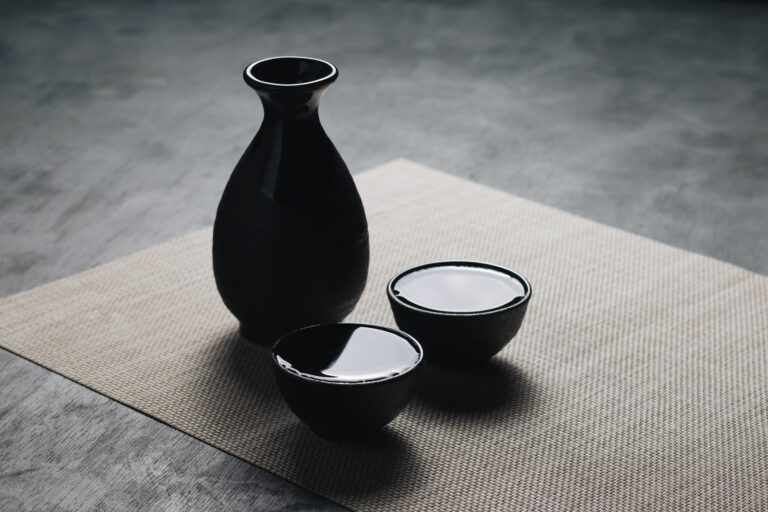
There’s no single official ratio for mizuwari or a highball — bartenders and home drinkers adjust to taste, and a lighter dilution suits pairing with food while a stronger pour suits slower, more contemplative sipping. If you’re wondering how to drink Japanese whisky “correctly,” the honest answer is that Japanese drinking culture itself treats this as a matter of occasion and personal preference rather than a fixed rule, much like the sake serving temperatures I’ve covered elsewhere on this site are more about matching the drink to the moment than following one rigid standard.
A measured highball: 30 ml whisky, 90–120 ml soda
Suntory’s highball instructions suggest one part whisky to three or four parts soda. For a small measured example, use 30 ml whisky and 90–120 ml chilled soda in an ice-filled glass. Stir gently once to combine. The ratio describes the liquids before additional ice melt.
| Problem | What to adjust |
|---|---|
| Too strong for your preference | Keep the measured whisky amount and add more mixer. |
| Flat soda | Use well-chilled soda and avoid repeated stirring after pouring. |
| Taste changes as you sip | Ice is melting; use a smaller serving if you want less change over time. |
| No soda available | Use still water for mizuwari; it will not have the same carbonation. |
Adding water lowers the concentration but does not remove alcohol from the measured whisky. Serve only to adults of legal drinking age.
Choose a bottle for the serve
Compare the maker and style in Suntory vs Nikka, then use the Suntory and Nikka bottle guide to check the exact expression. A higher price does not make a bottle obligatory for a highball.
Conclusion
Learning how to drink Japanese whisky well comes down to matching the serve to both the bottle and the occasion: neat for complex, special-occasion pours; on the rocks for robust, higher-proof expressions; mizuwari for food pairing; and highball for casual, everyday enjoyment. None of these require special equipment or expertise — just an understanding that dilution, in Japanese whisky culture, is a deliberate technique rather than a compromise.
If you’re still deciding which bottle to start with, my Japanese whisky gift guide covers five real, buyable options across these different styles.
A measured highball example
As a practical starting ratio, 30 ml whisky plus 90 ml chilled soda gives 1:3 before ice melt. Use a tall glass with room for both liquid and ice. Stir gently after adding soda, taste, and adjust the next drink rather than repeatedly topping up an unmeasured pour. Adding mixer changes concentration, not the amount of alcohol in the whisky poured.
For producer examples, consult Suntory’s whisky cocktail recipes. Choose the bottle using the budget guide or gift guide. This page provides serving guidance, not a report of a tasting trial.