Tsubame-Sanjo: The Japanese Metalworking Town Behind Your Kitchen Tools
Affiliate disclosure: As an Amazon Associate I earn from qualifying purchases. This article contains affiliate links; purchases may earn a commission at no extra cost to you.
The Name You’ve Never Heard, Behind Tools You Might Already Own
If you’ve ever used a genuinely well-balanced pair of Japanese kitchen scissors, a spoon that just feels right in the hand, or tableware with a quiet, understated finish, there’s a real chance it traces back to two small cities in Niigata Prefecture that most people outside Japan have never heard of: Tsubame and Sanjo.
I first came across the name almost by accident, mentioned briefly in my guide to Niigata souvenirs alongside sasa dango and kanzuri. It felt like a footnote at the time, but the more I looked into it, the more it became clear that Tsubame-Sanjo deserves to be its own story — not just a souvenir category, but one of Japan’s most significant and least-celebrated craft traditions.
From Nails to National Reputation
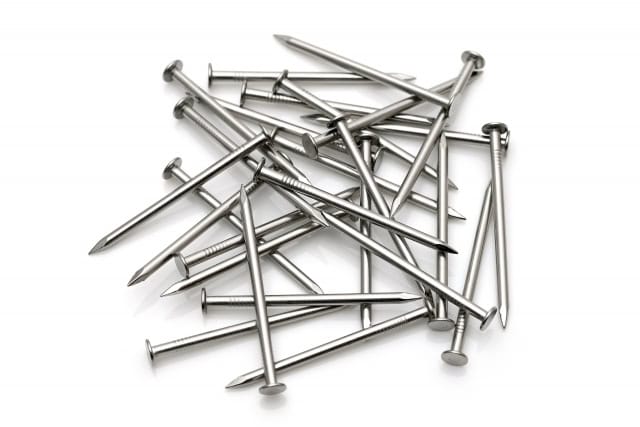
Tsubame and Sanjo’s metalworking history goes back roughly 400 years, and it didn’t start with anything as refined as tableware. The region’s soil wasn’t particularly suited to agriculture, and local farmers needed supplementary income during the off-season. Under the guidance of a traveling blacksmith in the early Edo period, they began producing hand-forged nails — a practical, unglamorous trade that nonetheless established the metalworking skills that would define the region for centuries. (For a deeper look at the region’s industrial history, see the Japan Metal Houseware Industry Association‘s official English page.)
From nails, the craft expanded into other hardware: kitchen knives, farming tools, and eventually more refined goods as techniques improved and as Japan’s economy modernized. By the 20th century, Tsubame-Sanjo had become one of the country’s most important centers for metal tableware and cutlery, producing everything from mass-market flatware to high-end, hand-finished pieces used in some of Japan’s most respected kitchens.
What Actually Makes Tsubame-Sanjo Craftsmanship Distinctive
A Culture of Specialization
Unlike a single large factory producing everything under one roof, Tsubame-Sanjo’s manufacturing base historically developed through many small, highly specialized workshops, each focused on one particular stage of production — polishing, forging, finishing. This division of labor allowed individual craftspeople to develop genuinely deep expertise in narrow specialties, the way a violin maker might focus their entire career on just the scroll or just the varnish.
Quiet Rather Than Showy Design
If you compare Tsubame-Sanjo products to some of the more decorative Japanese craft goods travelers associate with souvenirs, the difference is immediately obvious: this is not ornamental work. The appeal is functional — excellent balance, comfortable weight distribution, a finish that resists tarnishing and wear. It’s the kind of quality that doesn’t announce itself in a photograph but becomes obvious the first time you actually use the product.
A Reputation Built on Precision Metalworking
Tsubame-Sanjo’s manufacturing base extends well beyond kitchenware — the region is also known for precision metal components used in items ranging from golf clubs to medical instruments. That same precision-focused manufacturing culture is what elevates the kitchen tools beyond simple mass production, even at relatively accessible price points.
What You Can Actually Buy
Tableware and Flatware
Spoons, forks, and chopstick rests are probably the most accessible entry point — relatively inexpensive, genuinely well-made, and practical as an everyday gift rather than a display piece.
Kitchen Scissors
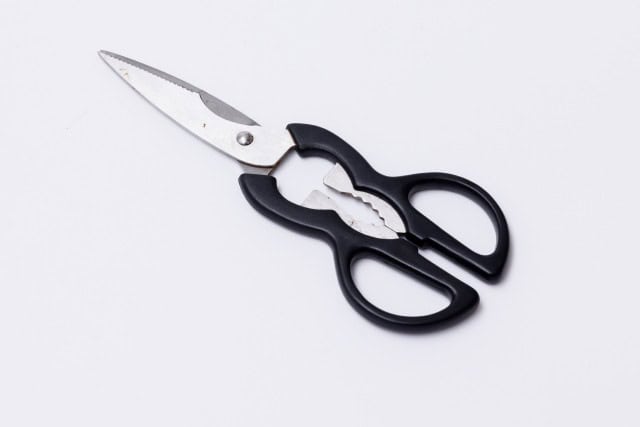
Japanese kitchen scissors from this region are often designed to disassemble fully for thorough cleaning, a small design detail that reflects the same practical, function-first philosophy running through the whole craft tradition.
Knives
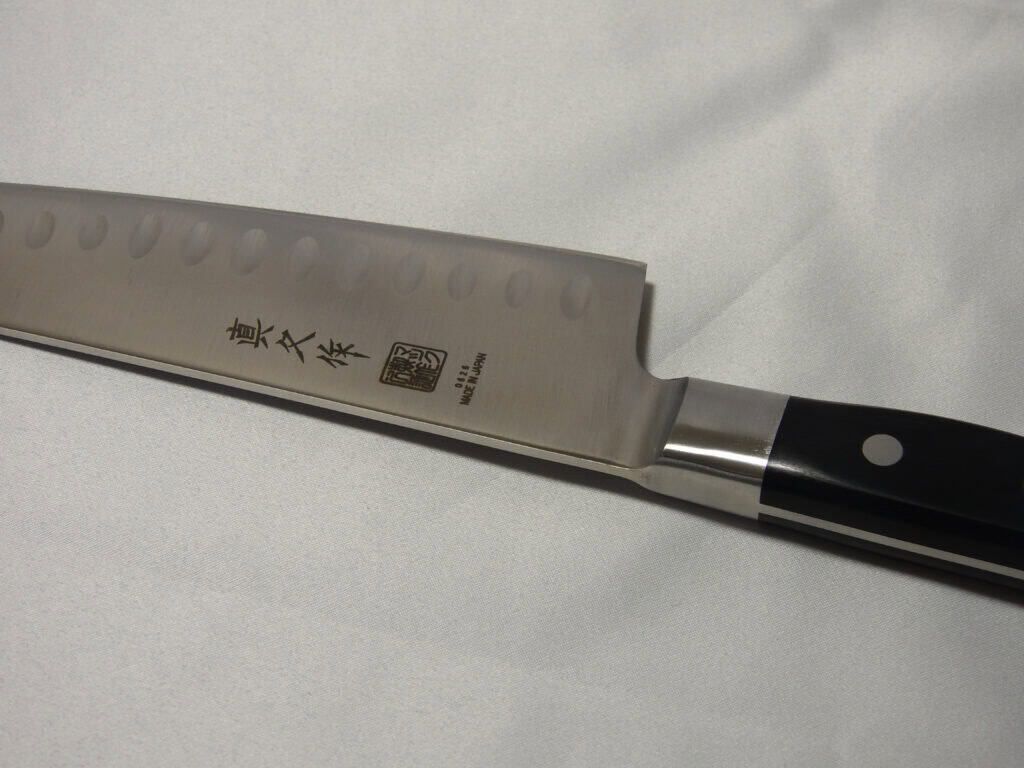
Some of the steel and craftsmanship that goes into premium Japanese kitchen knives — including several categories covered in my comparison of Japanese kitchen knives — connects back to the same metalworking expertise centered in this region, even when the final brand name doesn’t mention Tsubame-Sanjo directly.
Everyday Metal Goods
Beyond the kitchen, the region also produces items like vacuum-insulated tumblers and travel mugs that have become popular exports in their own right, valued for the same precision manufacturing that defines the rest of the region’s output.
Why This Makes a Distinctive Gift
Compared to the more immediately recognizable souvenirs covered in my Niigata souvenirs guide — sasa dango, senbei, kanzuri — Tsubame-Sanjo products don’t announce themselves as “a Japan souvenir” the way a bamboo-wrapped sweet or novelty snack might. That’s actually part of the appeal for a certain kind of recipient.
In my experience, this is the gift that gets used constantly rather than admired once and set aside. A well-made pair of kitchen scissors or a nicely weighted spoon becomes part of someone’s daily routine in a way that a decorative souvenir rarely does, and there’s something quietly satisfying about knowing the story behind an object that just quietly works well, day after day.
Good for: Someone who cooks regularly, appreciates understated design over ornamentation, or already owns nice kitchen tools and would recognize the difference in quality.
How to Shop for It
Genuine Tsubame-Sanjo products are increasingly available through specialty kitchenware retailers outside Japan, though the region name itself is often not prominently featured on the packaging — it’s worth checking product descriptions or brand histories specifically, since many well-regarded Japanese kitchen brands source their metalwork from this region without making it the headline of their marketing.
If you’re visiting Niigata directly, both Tsubame and Sanjo have direct-sale shops and even factory tour programs where you can see the production process firsthand and buy directly from the source — a more memorable way to acquire a gift than picking one up at an airport on the way home.
Turn a Craft Visit Into a Useful Gift Choice
For a practical gift shortlist and station shopping stops, use the Niigata souvenir guide. If you are considering a blade, compare Japanese kitchen knives for home cooks and choose around the recipient’s cooking and care routine.
Conclusion
Tsubame-Sanjo is a reminder that some of Japan’s most impressive craftsmanship doesn’t come with an obvious story printed on the label — it’s built into four centuries of quiet, iterative specialization that most people encounter without ever learning the name behind it. Next time you pick up a genuinely well-made Japanese kitchen tool, there’s a decent chance this unassuming pair of cities in Niigata had something to do with it.
If this has you thinking about kitchen tools more broadly, my guide to Japanese kitchen knives and guide to caring for them properly round out the rest of what’s worth knowing before you buy.