Best Japanese Fountain Pens for Beginners: Pilot, Platinum, and Sailor Compared
Affiliate disclosure: As an Amazon Associate I earn from qualifying purchases. This article contains affiliate links; purchases may earn a commission at no extra cost to you.
Japanese Fountain Pens for Beginners: Where to Start
If you've read our Japanese notebook guide, you already know the paper side of this hobby is genuinely engineered rather than just nicely branded. The pen side works the same way. Best Japanese fountain pens for beginners aren't watered-down versions of expensive pens — Japan's three major manufacturers (Pilot, Platinum, and Sailor) all make genuinely excellent entry-level pens between $5 and $35, using the same nib-tuning expertise that goes into their $200+ models.
This is a research-based starting guide, not a side-by-side writing test. Compare the exact model, nib width, compatible cartridges and included accessories before deciding.
Pilot: The Innovator, and the Easiest Entry Point
Pilot dominates the entry-level fountain pen market, and for good reason — its beginner pens use the same nib quality found in its pricier lines.
Pilot Kakuno : A lightweight, slightly playful pen with a smiley face stamped on the nib to help new users learn the correct writing angle. Genuinely one of the most-recommended first fountain pens across nearly every specialist source, and durable enough to hold up to a beginner's less-than-careful handling.
Pilot Metropolitan : A brass-bodied pen that writes noticeably better than its price suggests, widely considered the single most-recommended beginner (and honestly, expert) fountain pen on the market. Uses Pilot's cartridge/converter system, so you can start with cartridges and move to bottled ink later without buying a new pen.
Best for: Someone who wants the single safest, most broadly-recommended starting point, or a smooth, glassy nib feel over a more textured one.
Platinum: The Reliability Specialist
Platinum's standout engineering achievement is "Slip & Seal" technology — a spring-loaded inner cap that keeps ink from drying out even after months of not being used, which solves a real problem for anyone who doesn't write with a fountain pen daily.
Platinum Preppy : Genuinely the best value in fountain pens as a category — an extremely low-cost way to try the format with a surprisingly capable steel nib.
Platinum Plaisir : Uses the same nib as the Preppy, but in a more rugged aluminum body that holds up better to being carried around without cracking.
Best for: The absolute lowest-risk way to try fountain pens, or someone who writes infrequently and needs a pen that won't dry out sitting unused in a drawer.
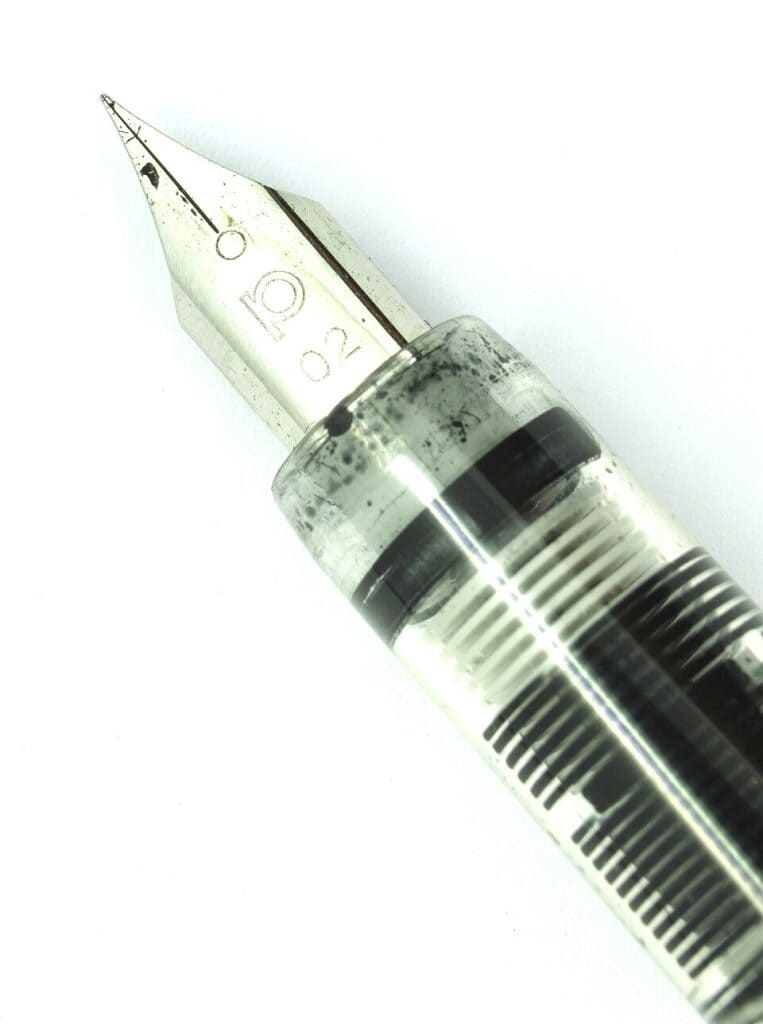
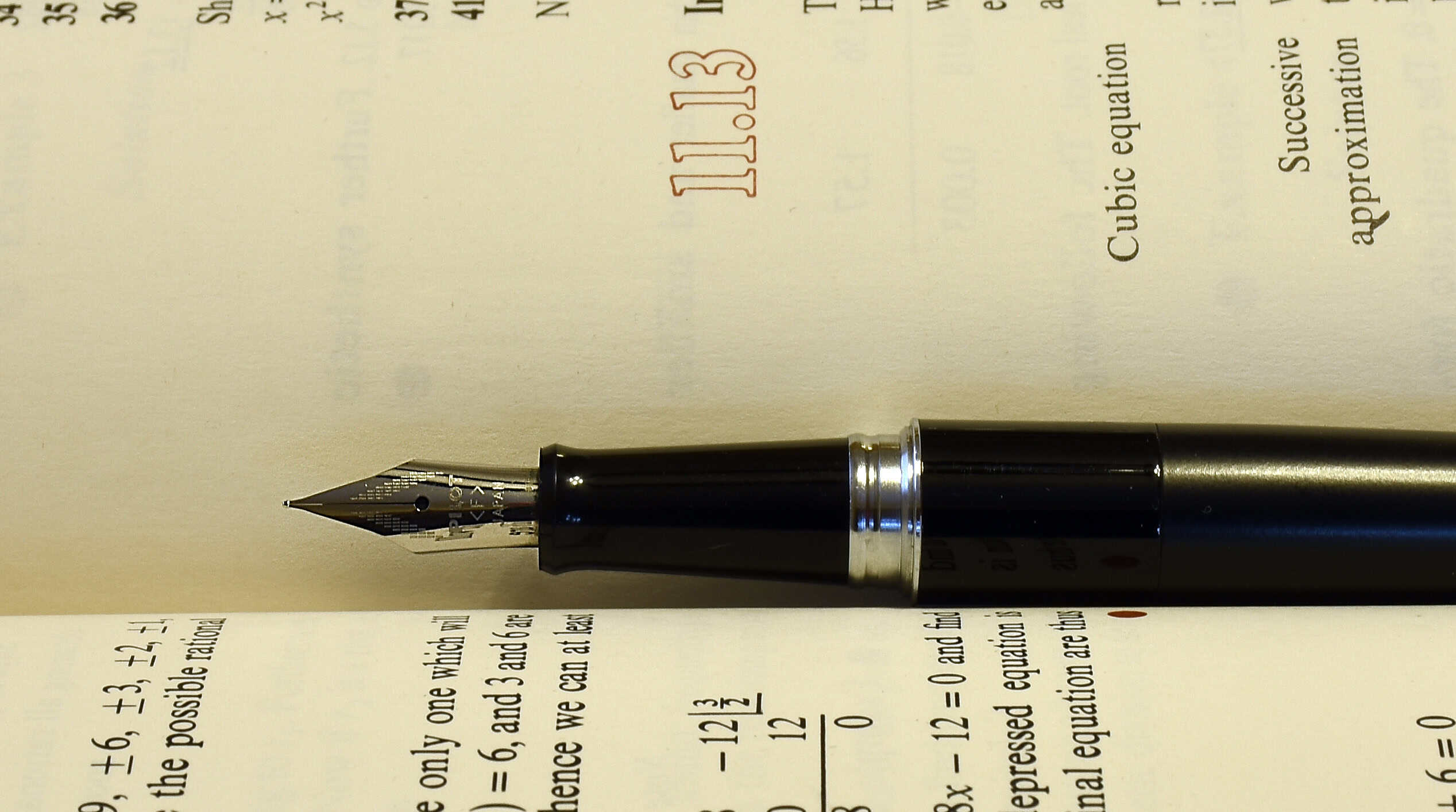
Photo: Enrique Íñiguez Rodríguez (Qoan) · CC BY-SA 4.0. Display size adjusted; no cropping.
Sailor: The Nib Purist
If Pilot is the innovator and Platinum is the reliability specialist, Sailor is the purist — a company that has spent over a century focused specifically on nib craftsmanship, and it shows in a more textured, feedback-rich writing feel compared to Pilot's smoother glide.
Sailor Compass / Lecoule : Sailor's true entry point sits higher than Pilot's or Platinum's, but delivers a steel nib with a hint of the characteristic feedback that makes Sailor's more expensive gold-nib pens so well-regarded.
Best for: Someone who wants more tactile feedback from the nib rather than a glassy-smooth glide, or who's already tried a Pilot or Platinum beginner pen and wants to feel the difference Sailor's reputation is built on.
Quick Comparison
| Pen | Price | Nib Feel | Best For |
|---|---|---|---|
| Pilot Kakuno | Check current price | Smooth, beginner-guided | First-ever fountain pen |
| Pilot Metropolitan | Check current price | Smooth, glassy | The safest all-around recommendation |
| Platinum Preppy | Check current price | Smooth, surprisingly capable | Lowest-cost way to try the format |
| Platinum Plaisir | Check current price | Same as Preppy, tougher body | Durability for daily carry |
| Sailor Compass | Check current price | Textured, more feedback | Wanting to feel what Sailor is known for |
Choosing Your First Ink and Filling System
Most beginner Japanese pens use a cartridge/converter system — cartridges are convenient and mess-free for starting out, while a converter (sold separately, often compatible across a brand's lineup) lets you fill from a bottle of ink once you're ready to experiment with color. Pilot's Iroshizuku ink line is a common pairing recommendation specifically because it's tuned to work well with Pilot's own pens and papers, including the Japanese notebooks covered in my other guide.
Which Pen Should You Actually Start With?
- Want the single most broadly-recommended starting point: Pilot Metropolitan
- Want to spend the absolute least to find out if you like the hobby: Platinum Preppy
- Write infrequently and worry about ink drying out: Platinum Plaisir or Preppy (Slip & Seal technology)
- Already know you like more tactile, textured writing: Sailor Compass
- Buying for a child or someone brand new to handwriting with a fountain pen: Pilot Kakuno
Conclusion
The best Japanese fountain pens for beginners prove that genuine nib craftsmanship doesn't require a big budget — Pilot, Platinum, and Sailor all make entry-level pens between $5 and $60 that reflect real engineering rather than a stripped-down afterthought. Start with a Metropolitan or Preppy if you're not sure the hobby will stick, and move toward Sailor once you know you want more tactile feedback from the nib.
Pair the pen with a suitable notebook, then compare Hobonichi and TRAVELER’S notebook if you need a planner. Test your usual ink before filling a whole book.
Photo: M Dreibelbis (CC BY 2.0). Unmodified photograph, displayed to fit. Illustrative image; not a promise of the contents of a linked product.
Explore more Japanese buying guides to compare gifts and practical tools before choosing.