How to Store Sake: Shelf Life, Temperature, and When It’s Actually Gone Bad
Affiliate disclosure: As an Amazon Associate I earn from qualifying purchases. This article contains affiliate links; purchases may earn a commission at no extra cost to you.
No Expiration Date Doesn’t Mean No Shelf Life
If you’ve read my Niigata sake gift guide, you’ve probably noticed something a little unsettling: sake bottles don’t carry an expiration date the way most groceries do. They show a bottling date instead, which leaves a lot of people wondering how to store sake properly and how long a bottle actually stays good once it’s home. The short answer is that sake is genuinely perishable — closer to beer than wine in how it ages — and knowing a few basics about storage will save you from either wasting a good bottle or drinking one well past its best.
In my experience, this is exactly the gap between “I bought a nice bottle” and “I actually enjoyed it the way it was meant to taste.” Sake doesn’t improve with age the way wine does, and it’s genuinely sensitive to light, heat, and temperature swings in ways that catch people off guard.
Unopened Sake: How Long It Actually Lasts
Sake’s higher alcohol content keeps it more stable than most fermented drinks, which is why brewers list a production date rather than an expiration date. As a general rule:
- Standard pasteurized sake: best within about 12 months of bottling, though it can remain drinkable well beyond that with proper storage
- Ginjo and daiginjo: more sensitive to heat than standard grades; best within 8–10 months, and refrigeration is recommended even unopened
- Namazake (unpasteurized): must be refrigerated at all times, even unopened, and is best within 6–9 months
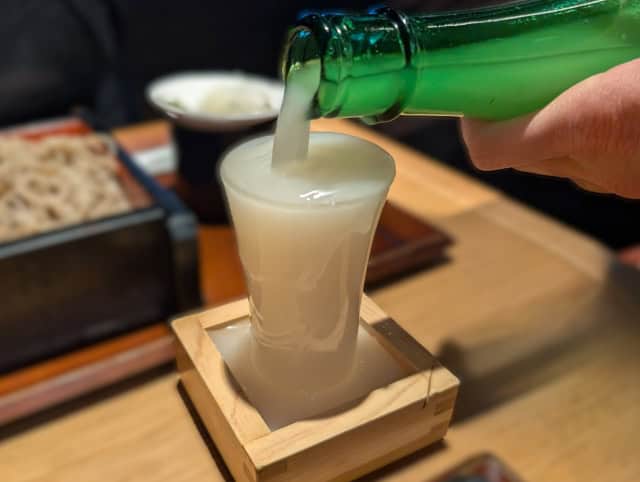
- Nigori: can last up to about 12 months in a cool, dark place
The single biggest variable isn’t time — it’s temperature and light exposure. A bottle kept in a cool, dark cupboard will outlast one left near a sunny kitchen window by a wide margin, even at the same age.
How to Store Sake: Light, Heat and Oxygen
Light
Ultraviolet light triggers a reaction in sake that produces “light-struck” off-flavors, similar to what happens with beer left in direct sun. This is exactly why most premium sake bottles use tinted brown or green glass — it’s not aesthetic, it’s protective. Store bottles away from windows and, if possible, out of direct fluorescent light in the refrigerator.
Heat and Temperature Swings
Keep unopened sake below about 68°F (20°C), and ideally refrigerated for premium or unpasteurized grades. Fluctuating temperatures are worse than consistently cool ones — a bottle that swings between a warm kitchen counter and a cold fridge repeatedly degrades faster than one left at a steady temperature.
Oxygen (Once Opened)
Once a bottle is opened, oxygen begins converting alcohol into acetaldehyde and eventually acetic acid — the same chemistry that turns wine vinegary. The more air trapped in the bottle, the faster this happens, which is part of why finishing a bottle sooner rather than later preserves quality.
How to Store Sake Once It’s Opened
| Sake Type | Refrigerate After Opening? | Drink Within |
|---|---|---|
| Ginjo / Daiginjo | Yes | About 1 week |
| Standard Junmai / Honjozo | Yes | 1–2 weeks |
| Namazake | Yes, essential | 5–7 days |
| Nigori | Yes | 1 week, shake gently before pouring |
Cap the bottle tightly, keep it upright (unlike wine, humidity and cork condition aren’t a factor for sake, so there’s no need to store it on its side), and place it toward the middle or back of the fridge rather than the door, where temperature fluctuates most.
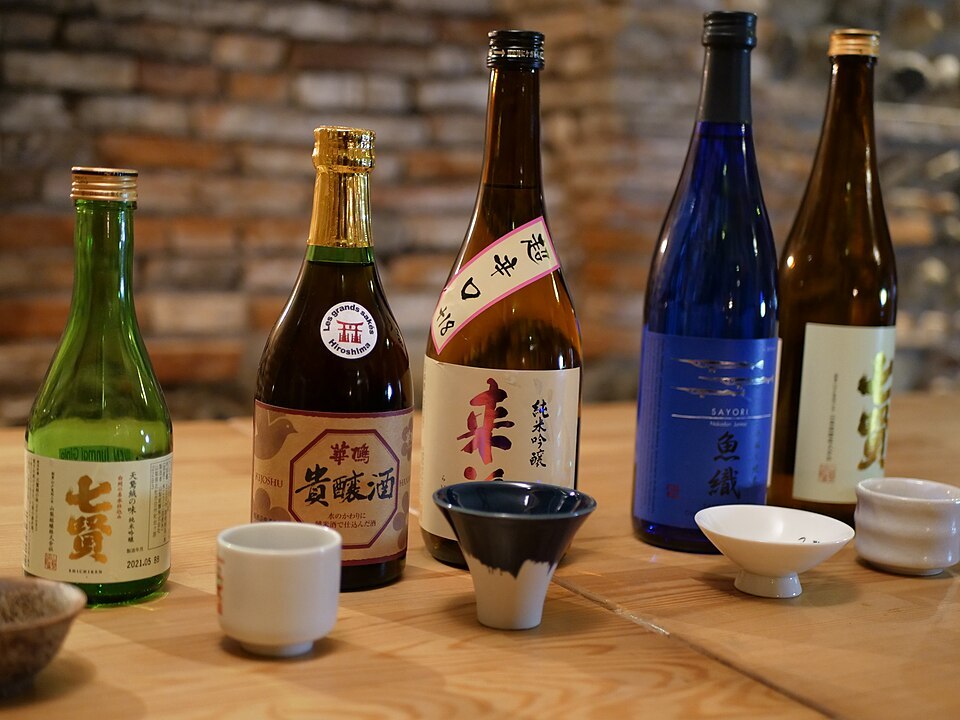
Photo: Culture Japon / Wikimedia Commons · CC BY-SA 4.0. Resized/compressed; no content edits.
A Note on Freezing
Don’t freeze sake. Its alcohol content (roughly 13–18%) means it freezes around 22°F (-6°C), well within most freezer temperatures, but as ice crystals form, the alcohol and water separate, damaging the delicate aromatic compounds that make good sake worth drinking in the first place. If a bottle accidentally freezes, it’s safe to thaw and drink, but expect a flatter, less nuanced version of what you started with.
How to Tell If Sake Has Actually Gone Bad
Sake doesn’t have a hard expiration cliff, but a few signs suggest a bottle has genuinely turned:
- Unexpected cloudiness or sediment in a sake that should be clear (note: nigori and some aged styles are naturally cloudy, so this only applies to standard clear sake)
- A sharp, vinegary smell rather than the clean, slightly fruity or rice-forward aroma the style should have
- A noticeably flat or dull taste compared to what the bottle’s tasting notes describe
- Leakage or a compromised seal, which lets in oxygen and accelerates spoilage well beyond normal aging
Conclusion
Learning how to store sake properly comes down to three habits: keep it cool and dark, refrigerate premium and unpasteurized styles even before opening, and finish opened bottles within a week or two rather than letting them linger. Sake’s lack of an expiration date isn’t a sign that it lasts forever — it’s a sign that freshness, not a hard deadline, is what actually determines whether a bottle tastes the way the brewer intended.
If you’re deciding what to buy in the first place, my Niigata sake gift guide and guide to sake grades cover the rest of what’s worth knowing before you bring a bottle home.