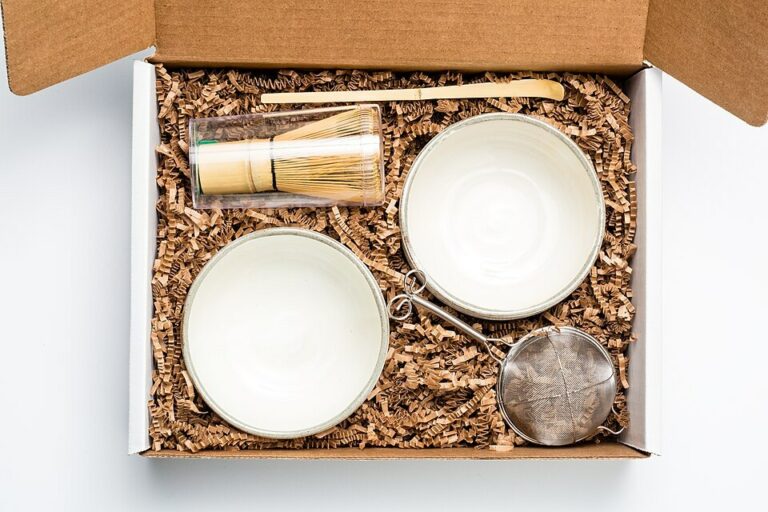
How to Make Matcha: The Tools and Technique That Actually Matter
Affiliate disclosure: As an Amazon Associate I earn from qualifying purchases. This article contains affiliate links; purchases may earn a commission at no extra cost to you.
A useful usucha starting recipe is 2 g matcha with 60 ml water at 80°C / 176°F. Sift, add water and whisk briskly. This follows Ippodo’s basic usucha recipe; it is a starting point, not a rule for every blend.
How to Make Matcha: Start With a Measured Bowl
If you’ve followed my matcha buying guide and picked up a genuinely good tin, and your first bowl still came out clumpy, bitter, or flat rather than smooth and frothy, check both the preparation and the tea’s condition. A measured recipe makes it easier to troubleshoot water temperature, powder quantity and clumps without assuming the tea must be good or bad.
The Tools That Actually Matter
You don’t need the full traditional tea ceremony setup, but a few tools genuinely make a difference and aren’t easily substituted.
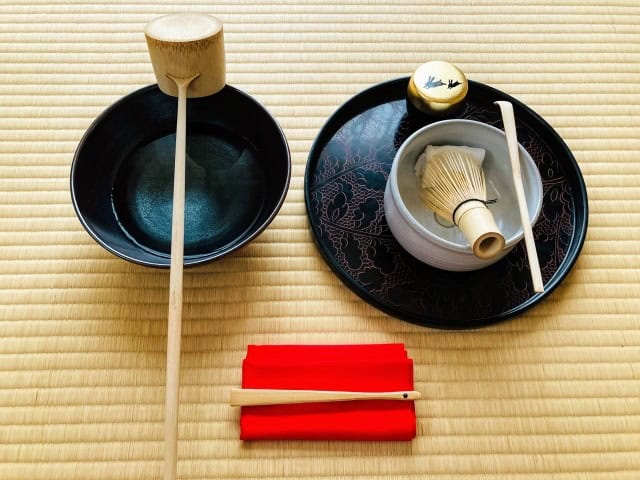
- Chawan (matcha bowl) — wide-mouthed, giving the chasen room to move freely. A narrow coffee mug makes proper whisking nearly impossible.
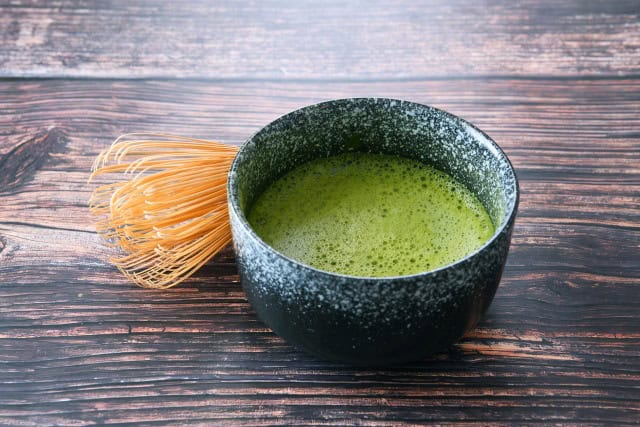
- Chasen (bamboo whisk) — the single tool worth not skimping on. A bamboo whisk is the traditional tool. A frother is an alternative for casual preparation, although the texture and bubble size may differ.
- Chashaku (bamboo scoop) — traditionally used to measure matcha; scoop weights vary, so a scale is more repeatable. A measuring spoon works as a substitute if you don’t have one.
- Fine mesh sieve (furui) — sifting helps break up clumps before whisking.
Usucha vs. Koicha: Two Different Preparations
Before getting into steps, it’s worth knowing that “how to make matcha” actually splits into two distinct preparations with different ratios and technique.
Usucha (薄茶, “thin tea”) is the everyday preparation — lighter, frothier, and what almost everyone means when they picture a bowl of whisked matcha. This is where you should start if you’re new to matcha.
Koicha (濃茶, “thick tea”) is a more concentrated, syrup-like preparation traditionally reserved for formal tea ceremonies, using roughly double the matcha and a fraction of the water, kneaded rather than whisked into a smooth paste rather than a foam.
How to Make Usucha (Everyday Matcha)
What you need
- 2g matcha (about 1–2 heaping chashaku scoops, or roughly ½–1 teaspoon)
- 60–80ml hot water, around 175°F (80°C) — not boiling
- Chawan, chasen, sieve
Steps
- Warm the bowl. Pour a small amount of hot water into the chawan, swirl it around, then discard. This warms the bowl and softens the chasen’s bamboo tines, making them more pliable and less prone to snapping.
- Dry the bowl completely. Drying gives you a clean surface for sifting and measuring the powder.
- Sift the matcha directly into the bowl. This is the step most people skip, and it’s the one that most reliably fixes a gritty, clumpy result. Matcha is fine enough that static and humidity cause it to clump on its own, and sifting first is usually easier than chasing clumps after water is added.
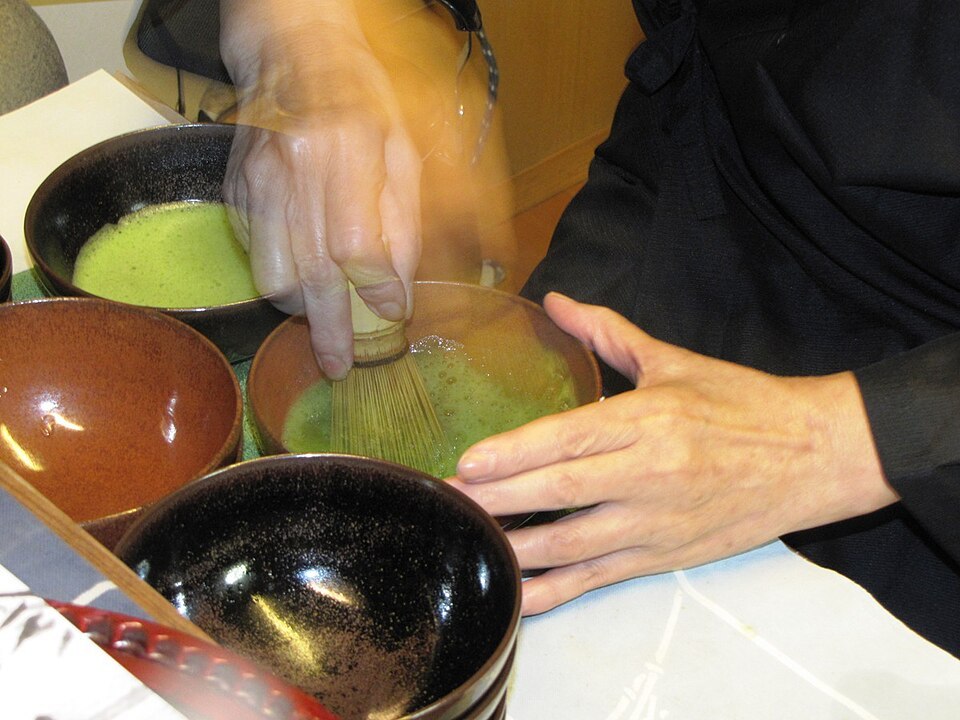
Photo: אלי שני (שנילי • שיחה) / Wikimedia Commons · CC BY-SA 3.0. Resized/compressed; no content edits.
- Add the water. Pour the 60–80ml of hot water over the sifted matcha.
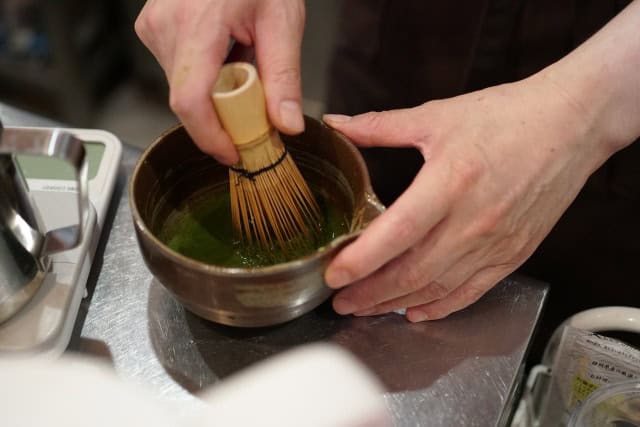
- Whisk in a “W” or “M” motion, not a circle. Hold the chasen upright and move your wrist back and forth in quick, short strokes — not a stirring or circular motion. This is what actually builds the fine microfoam that separates good matcha from a flat, muddy-looking bowl.
- Drink within a few minutes. Matcha oxidizes and loses its foam quickly; unlike steeped tea, this isn’t something you want to let sit.
How to Make Koicha (Thick, Ceremonial-Style Matcha)
What you need
- 4g matcha (about 3–4 heaping chashaku scoops)
- 30–40ml hot water, slightly cooler than usucha, around 160–175°F (70–80°C)
- Chawan, chasen (ideally a koicha-specific chasen with fewer, thicker tines, though a standard one works for a single serving)
Steps
- Warm and dry the bowl, same as usucha.
- Sift a larger quantity of matcha into the bowl — roughly double the usucha amount.
- Add the water slowly, pouring around the edges of the matcha rather than directly on top, trying to wet as much of the powder as possible without splashing.
- Knead rather than whisk. This is the key technical difference from usucha — instead of the brisk W-motion, use slower, more deliberate kneading and folding strokes. Koicha isn’t meant to foam; the goal is a smooth, glossy, syrup-like paste with a deep, saturated green color.
- Serve promptly, traditionally shared from a single bowl among guests in formal settings, though there’s no reason you can’t make a solo serving at home.
Common Mistakes (And What They Actually Cause)
| Mistake | What it causes |
|---|---|
| Water too hot (above 175°F) | Can make the result taste too bitter for your preference; lower the temperature and compare |
| Skipping the sieve | Clumping, gritty texture, pale green specks that resist the whisk |
| Whisking in circles instead of a W/M motion | Weak, flat foam instead of fine microfoam |
| Using a metal whisk or frother | Different texture and bubble size; an acceptable alternative for a casual drink |
| Letting it sit before drinking | Foam collapses and matcha powder settles at the bottom, flattening the texture and flavor |
Conclusion
Learning how to make matcha properly comes down to a short list of specific habits — sifting, correct water temperature, and the right whisking motion — rather than any deep ceremonial skill. Usucha covers the everyday bowl most people actually want, while koicha is worth trying once you’re comfortable with the basics and want to taste what a genuinely premium tin can do in its most concentrated form. If changing the preparation does not help, compare a smaller amount of a different blend and check the tea’s storage history.
If you haven’t picked a tin yet, my guide to matcha brands and types of Japanese tea cover the rest of what’s worth knowing before your first bowl.
Troubleshoot one variable at a time
| Problem | First change to try | What to keep constant |
|---|---|---|
| Too intense | Reduce powder or add a little more water | Use the same blend and water temperature |
| Clumps | Sift before whisking | Keep the same powder and water amounts |
| Too bitter | Try slightly cooler water | Keep the same recipe so you can compare |
| Little foam | Check whisking space and motion | Judge the flavor too; foam is not a universal quality score |
For thick tea, follow the tea producer’s koicha instructions and a blend it recommends for that preparation. For tools as a present, see the gift-set checklist.