Best Matcha Brands Worth Buying (And What “Ceremonial Grade” Actually Means)
Affiliate disclosure: As an Amazon Associate I earn from qualifying purchases. This article contains affiliate links; purchases may earn a commission at no extra cost to you.
The best matcha brands for your needs depend on what you make: plain whisked tea, a latte or a dessert. Compare the exact blend, pack weight, seller and preparation guidance before comparing the brand name. A higher price or “ceremonial” label alone does not establish that a tin suits you.
This is a research-based buying guide to Ippodo, Marukyu Koyamaen, Aiya and Naoki. It does not report a blind tasting or claim a tested overall winner. The recommendations below describe how to narrow the choice; current stock and delivered prices must be checked for your country.
Four brands: what to compare
| Brand or blend | Useful starting point | Check on the exact product |
|---|---|---|
| Ippodo | Compare blends using the company’s preparation and flavor guidance | Whether the blend is recommended for your intended preparation and the pack size |
| Marukyu Koyamaen | Compare named matcha blends and their stated uses | The distinction between drinking matcha and products intended for food; current ordering limits |
| Aiya | Compare the specific drinking or culinary product | Ingredient list, product name and intended use rather than a grade word alone |
| Naoki Superior Blend | A named option to compare for tea or lattes | Superior Blend versus another blend, package weight and seller details |
Start with Marukyu Koyamaen’s own catalog, Aiya’s product information and Naoki’s Superior Blend page when checking product identity. A description of one blend should not be applied to every tin sold by the same brand.
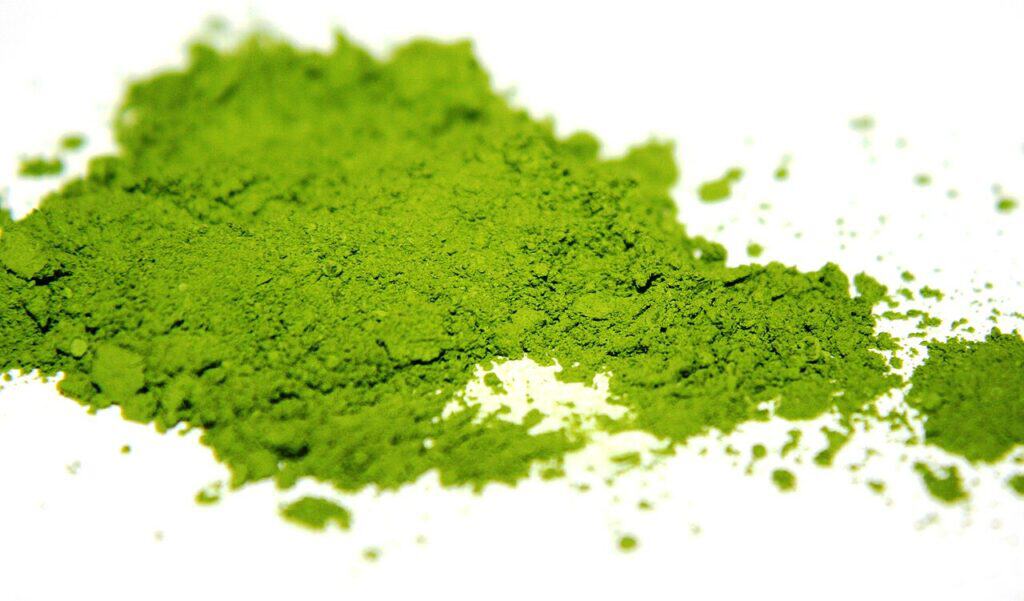
Photo: 121stephen · CC BY-SA 3.0. Display size adjusted; no cropping.
What “ceremonial grade” does and does not tell you
Ippodo explains that it does not use “ceremonial grade” because the term is vague and was developed for overseas marketing. Other brands do use it. It therefore cannot function as a shared score that ranks all four brands on one scale.
Nor can a low price, a missing harvest date or the absence of a named town prove that tea is fake. Origin information is useful, but it may describe growing, blending, milling or packing. Read what the producer actually says. A photograph’s shade of green cannot verify freshness or authenticate the contents.
Choose by preparation
- Plain usucha: look for a producer’s recommendation for drinking with water. Begin with a small pack so you can learn your taste without committing to a large quantity.
- Latte: compare a blend recommended for milk drinks. Try it with your normal milk and sweetness level before deciding a more expensive blend is necessary.
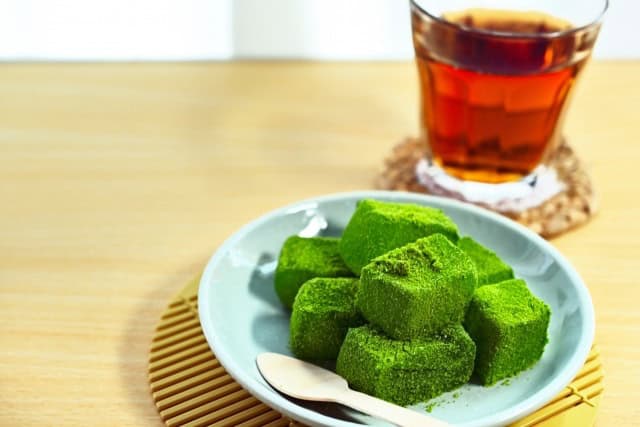
- Baking: look for a product intended for recipes and check the ingredients. A sweetened latte mix is not interchangeable gram for gram with pure matcha.
- Koicha: follow the tea house’s recommendation for thick tea; do not assume every product labeled ceremonial is equally suitable.
Calculate the cost of a serving
Use powder weight rather than tin price alone. At 2 g per bowl, a 30 g tin makes 15 bowls and a 40 g pack makes 20. Divide the delivered price by those servings. For example, a hypothetical $24 tin containing 30 g costs $1.60 per 2 g portion, before milk or sweetener. This is an arithmetic example, not a current product price.
For a 3 g latte, the same 30 g pack gives ten servings. That difference can change which size is economical. A bulk bag only saves money if you use it while its flavor still meets your expectations; follow the seller’s storage and opened-pack guidance.
A buying checklist for US, UK, Canadian and Australian readers
- Confirm the exact blend and net weight; photographs may show multiple sizes.
- Check whether the ingredients are matcha alone or a blend containing sugar or other additions.
- Read destination shipping, currency and total checkout cost before comparing offers.
- Check the seller’s identity and the manufacturer’s storage guidance.
- Avoid treating a limited-stock listing or a resale markup as evidence of superior tea.
Make a fair first comparison
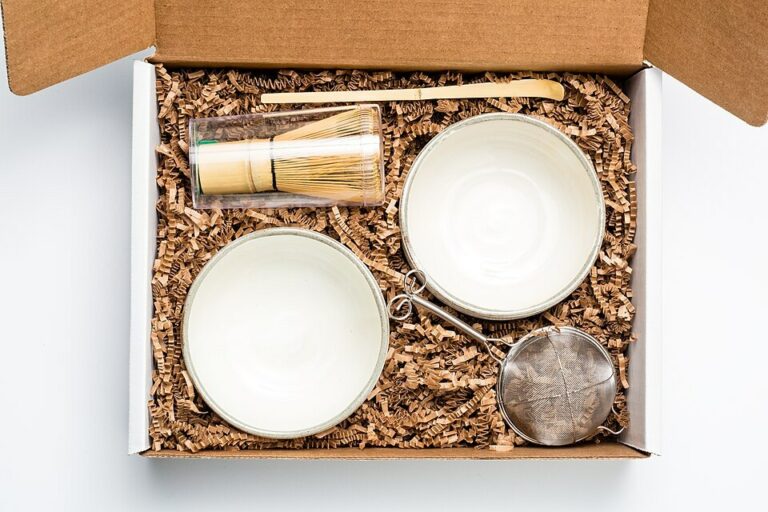
Prepare two candidates using the same powder weight, water and temperature before changing several variables at once. Our matcha preparation guide gives a starting recipe and troubleshooting steps. If you prefer a steeped drink, compare the other types of Japanese tea. For a present, use the matcha gift-set checklist to decide whether tea or tools are the missing item.